

You search car ride service near me because the trip matters, and the ride still feels like the weakest link.
The pickup looks simple on a screen, and the actual risk starts after you tap confirm.
A flight changes. A driver changes. The curb gets crowded. The app keeps moving, and your schedule takes the hit.
For Orange County executives, families, and assistants moving between LAX, SNA, LGB, Disneyland, and the cruise terminal, the problem usually isn’t effort. It’s the system. Apps are built for volume. Important travel needs control.
Why Your Search for a 'Car Ride Service Near Me' Often Ends in Frustration
The phrase sounds local and easy. It suggests that the right car is nearby, available, and ready.
That’s rarely the whole story.
When someone in Newport Beach needs a quiet airport transfer to LAX, or a family in Irvine needs a clean SUV for the Port of Los Angeles cruise terminal, the question isn’t location. It’s accountability.
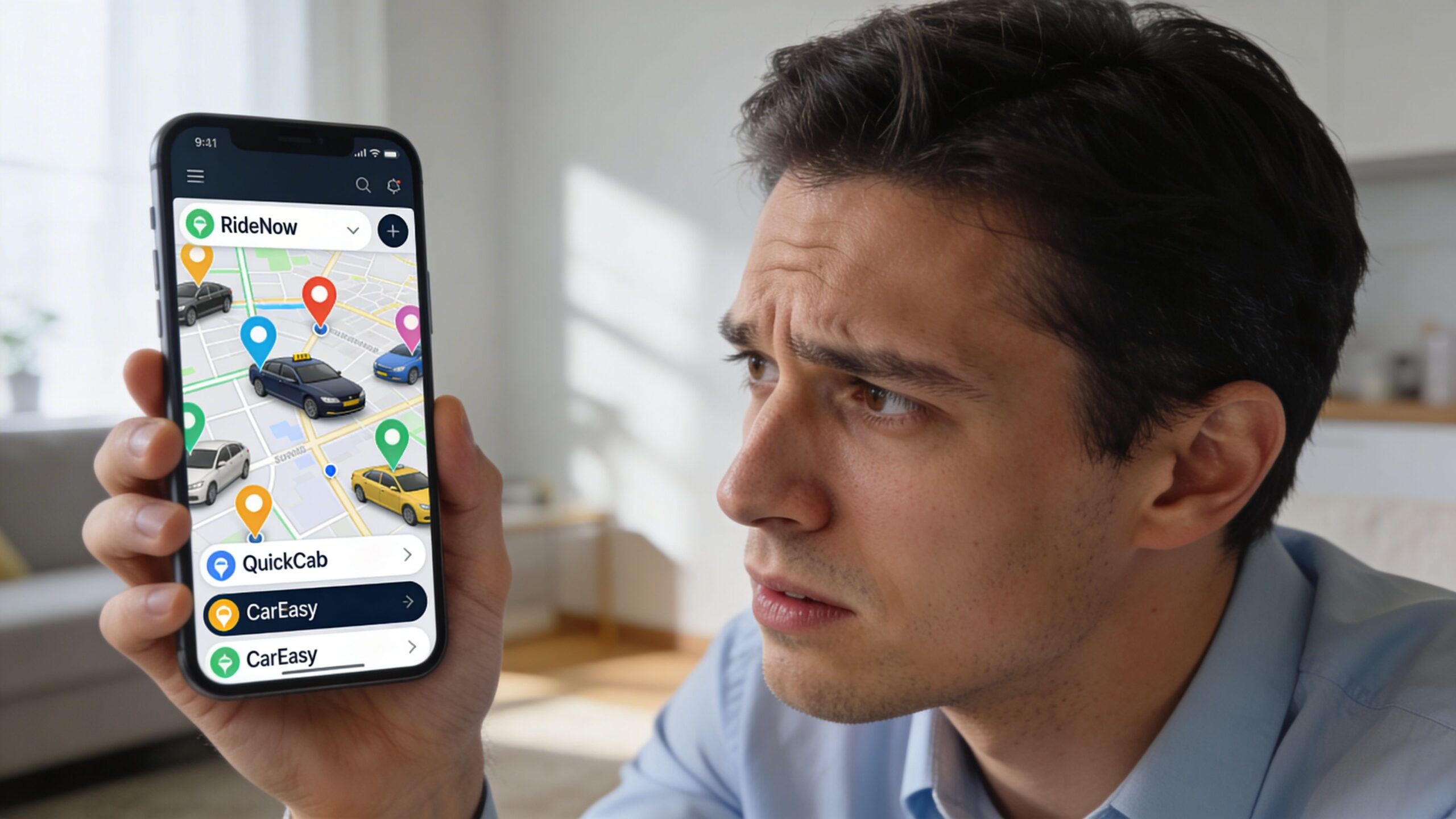
The search sounds simple and the ride is not
On-demand platforms train people to think in one step.
Open app. Request car. Hope it works.
That model can be fine for a short local errand. It breaks down when the ride has consequences. Airport departures. Arrivals after delays. Disneyland pickups with tired children. A transfer from Orange County to Long Beach Airport when timing matters.
The weak point is the handoff to an algorithm.
The app decides which driver sees the trip. The driver decides if the trip is worth taking. The route changes. Traffic changes. Flight timing changes. Your plans depend on a chain of choices made by people who weren’t part of your original plan.
Practical rule: If the ride matters, random assignment is the wrong operating model.
Why airport pickups fail so often
Airport travel creates pressure in places apps don’t manage well.
Terminals are crowded. Pickup rules change. Flights move early, late, and sometimes both in the same day. Luggage adds delay. A traveler may not answer a phone right away after landing. A driver may circle, wait in the wrong place, or cancel when the pickup gets complicated.
Existing ride app content often talks about convenience and round-the-clock access. It says much less about consistency. That gap matters because 30 to 40% of rideshare airport pickups face delays or cancellations according to the cited airport transportation study in this Uber city transportation page reference.
That number explains why so many people feel tense before a simple airport run.
The bad outcome usually isn’t dramatic. It’s smaller than that, and more common. A driver is late. The car is different than expected. The pickup point changes twice. The traveler stands at the curb checking messages instead of moving calmly through the airport.
Orange County travelers feel this more
Southern California adds its own friction.
A ride from Orange County to LAX isn’t just a mileage question. It’s a timing question. The 405 changes the whole day. John Wayne is easier to get around than LAX, and Long Beach is easier than both, and none of that helps if the transportation plan starts too late.
For Disneyland trips and cruise terminal runs, the same issue shows up in a different form. Families often need luggage space, a clean vehicle, and a driver who already knows the pickup flow. Apps can provide a car. They often don’t provide control.
Here’s what usually goes wrong.
- Driver acceptance risk. The request goes out, and the first driver declines.
- Vehicle mismatch. The car arrives, and there isn’t enough room for people, bags, or strollers.
- Timing drift. A five-minute estimate turns into a moving target.
- No single owner. When something slips, nobody is personally responsible for fixing it.
That last part is what people notice most.
The real issue is loss of control
Executives don’t usually need luxury for its own sake. They need quiet, timing, and fewer variables.
A professional assistant doesn’t want a ride. They want a system that won’t create follow-up work.
That’s why the search for car ride service near me often disappoints. The search engine gives you providers. It doesn’t separate low-accountability models from high-accountability ones. It treats all cars as similar and they are not similar when the traveler is headed to LAX at a fixed hour or arriving at SNA after a long day.
The most stressful rides are the ones that looked easy in advance.
Once you see the problem as a system problem, the answer gets clearer. The goal isn’t to find the nearest car. The goal is to remove the chance that the ride becomes another task to manage.
The Critical Difference Between On-Demand Rides and Scheduled Transportation
The two models look similar from the curb. They are not similar behind the scenes.
One is reactive. One is planned.
That distinction matters more than vehicle badge, app design, or how polished the booking page looks.
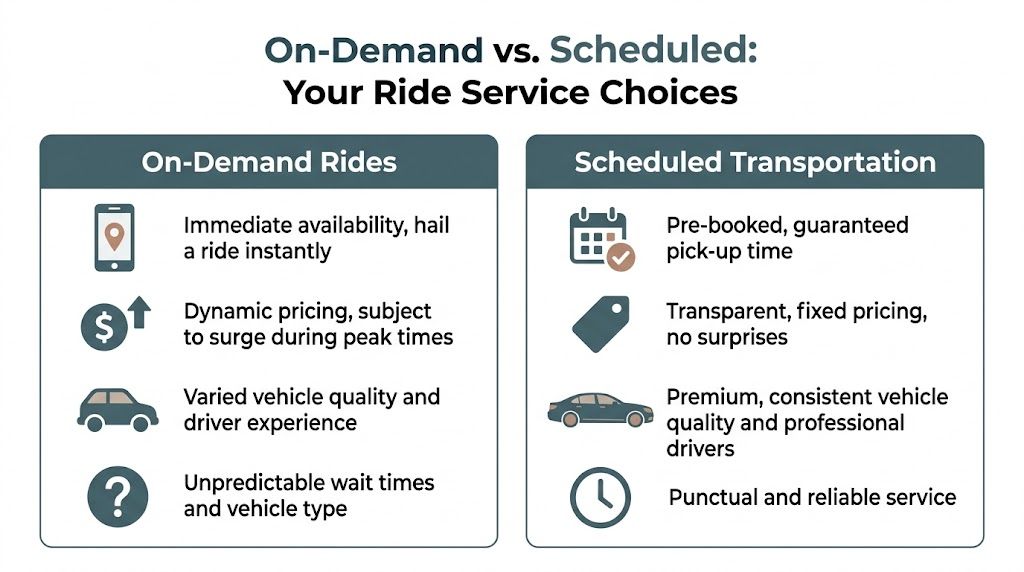
One model depends on availability
On-demand service works like a live marketplace.
The platform sends your request into the system. Nearby drivers decide whether to take it. That sounds efficient, and it often is for casual trips. For airport and executive transportation, it creates a weak chain of responsibility.
There’s also a labor reality behind it. In key U.S. markets, rideshare drivers average about $16.02 per hour before costs, and annual turnover is estimated at over 50%, which directly affects reliability and contributes to last-minute cancellations before airport pickups, according to RideGuru market data.
That matters because turnover shows up as inconsistency.
A system with constant driver churn won’t behave like a managed service.
The other model depends on assignment
Scheduled transportation starts earlier.
The ride is booked in advance. The trip details are reviewed. The service assigns a chauffeur, vehicle class, and pickup plan before the day begins. When airport travel is involved, flight details and timing become part of the job, not an afterthought.
That changes what the traveler experiences.
- Before pickup the trip is organized.
- During delays someone adjusts timing.
- If traffic shifts route management changes with it.
- If the traveler has luggage or guests the vehicle plan already accounts for that.
This is why a scheduled service feels quiet. Less guessing reaches the passenger.
Side by side trade-offs
| Area | On-demand rides | Scheduled transportation |
|---|---|---|
| Driver assignment | Assigned in real time | Assigned ahead of time |
| Vehicle consistency | Varies by trip | Chosen and confirmed in advance |
| Timing | Estimate based | Planned around the trip |
| Price structure | Can change with demand | Usually fixed in advance |
| Support | App-first | Human review and follow-through |
The table isn’t about good versus bad. It’s about fit.
For dinner in Costa Mesa, a marketplace may be enough. For an LAX pickup, a Disneyland transfer with family luggage, or a cruise terminal drop from Orange County, a service model that behaves like a plan is desired.
Why a nicer app category still doesn’t solve it
Many travelers think a premium tier inside an app solves the issue.
It helps with vehicle class. It does not change the core mechanism.
If the platform still relies on driver-by-driver acceptance in real time, the ride still rests on availability, incentives, and algorithm decisions. That’s why “nicer on-demand” often feels better right up to the moment it doesn’t.
A more useful way to compare options is to ask one question.
Who owns the trip before pickup?
If the answer is “the app will figure it out,” the ride is still exposed to the same weak points. If the answer is “a person reviewed the route, timing, and traveler details in advance,” the odds of a quiet outcome improve.
A practical comparison of those models appears in this chauffeur service vs rideshare guide.
The adult choice in transportation is simple. Use the model that removes variables before the trip starts.
Key Decision Criteria for Executive Transportation
Not every premium-looking service is managed well.
A clean website and a black vehicle don’t tell you much. The useful test is operational. How does the company reduce risk before the passenger gets in?
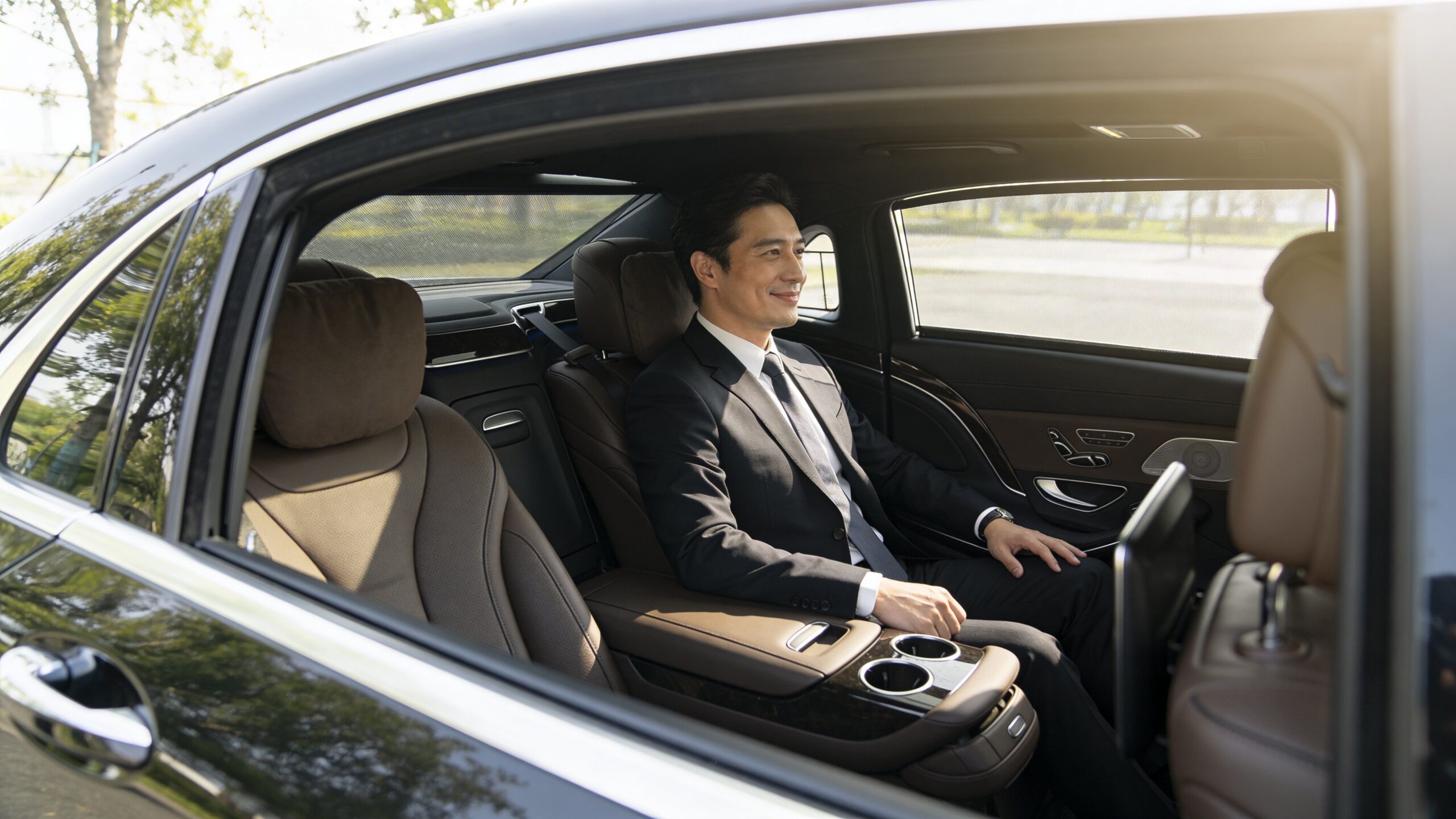
Punctuality must come from process
A serious service doesn’t “aim” to be on time. It builds on-time performance into the job.
For airport work, that means the flight number matters. So does the pickup window, terminal knowledge, and route planning from Orange County. If a company can’t explain how it handles early arrivals, delays, and curbside changes, it’s asking you to trust improvisation.
Ask how they manage timing. Listen for system answers, not vague promises.
Safety should be specific
Safety language is easy to write and harder to verify.
What matters is whether chauffeur vetting and vehicle standards are part of a real process. Executive black car services can achieve up to 98.5% safety incident-free rates through rigorous screening, including FBI-level background checks and 40-hour defensive driving certifications, according to Dryver’s executive transportation reference.
That standard is very different from a marketplace where driver quality can vary by trip.
Discretion is an operating habit
High-level travelers usually don’t ask for “luxury.” They ask for calm.
That means a driver who knows when to speak and when not to. It means no confusion at pickup. It means no unnecessary attention at hotels, private residences, Disneyland resort entrances, or executive offices in Orange County.
Good discretion is quiet competence.
Look for signs of maturity in the service. Clear confirmations. Simple communication. No chaos in the handoff.
A discreet ride feels uneventful. That’s the point.
Fixed pricing protects the schedule
Price matters. Stability matters more when the trip is important.
A quote should match the ride you booked. That’s especially useful for airport work, evening returns from LAX, and planned family or executive transfers between Orange County and Long Beach or Los Angeles.
A fixed rate also makes approvals easier for assistants and travel planners. There’s less cleanup later.
Vehicle fit matters more than appearance
A sedan can be perfect for one traveler and useless for three people with checked luggage. An SUV may be right for Disneyland departures. A larger vehicle may make more sense for cruise terminal service when bags, garment carriers, and family members are involved.
Use this quick scorecard when reviewing options:
- Timing system. Ask how the company handles flight changes and airport pickup timing.
- Chauffeur standards. Ask whether drivers are background-checked and professionally trained.
- Communication. Ask when chauffeur details are sent and who helps if plans shift.
- Vehicle match. Confirm passenger count, bag count, and special items.
- Pricing clarity. Ask whether the rate is fixed before the trip.
These are adult criteria. They remove guesswork, and they protect the day from bad systems.
The Simple System for Logistical Silence
The best transportation feels quiet because the work happened before the ride.
❌ On-demand apps depend on chance. A driver has to be available, willing, nearby, and properly aligned with your timing.
✅ Scheduled transportation works as a controlled process. A chauffeur is assigned in advance. The route is reviewed. Airport details are tracked. Support exists before something goes wrong.
That’s the whole idea behind logistical silence.
The passenger doesn’t need to manage the ride because the ride is already being managed.
For a simple example of that planned approach, this overview of Luxe Elite Transportation shows what a scheduled model is meant to look like in practice.
When people search car ride service near me, they usually think they need a car nearby.
What they need is a system that keeps the trip from becoming a problem.
Your Friction-Free Booking Checklist
Once you stop treating transportation like a last-minute app request, booking gets easier.
The goal is simple. Give the service enough detail to prevent guesswork.
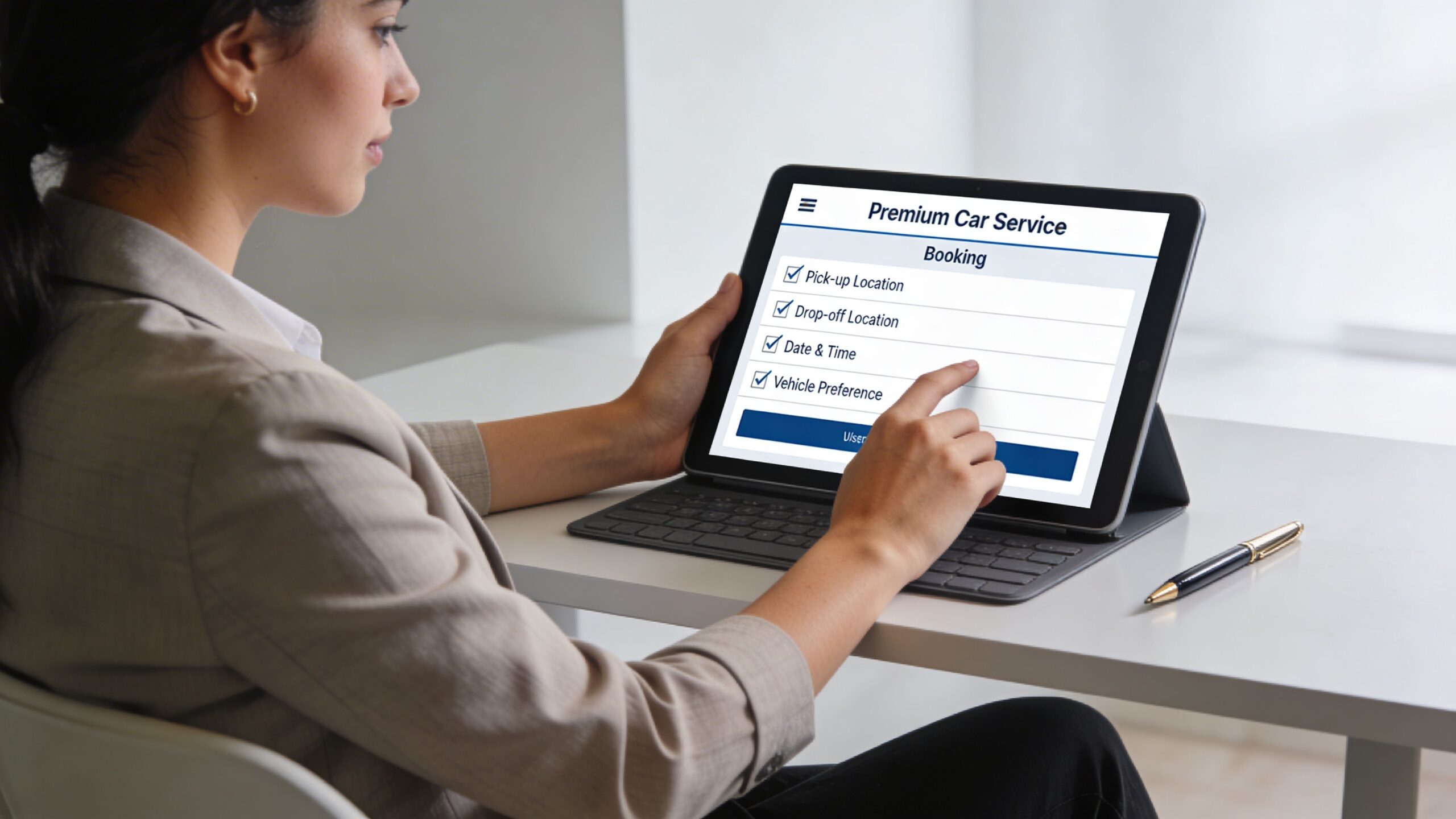
Use this checklist before you confirm
Add the flight number
This is the first filter for airport reliability. Premium chauffeur services that use real-time flight tracking APIs can deliver 99% on-time performance, and monitored pickups reduce passenger wait times by an average of 67%, according to SIXT Ride’s chauffeur service reference.State the exact pickup and drop-off points
“LAX” isn’t enough. “Terminal 5 arrivals” is better. “Disneyland Hotel front drive” is better than “Disneyland.” For cruise travel, specify the terminal and sailing line if you have it.List people and luggage clearly
Include checked bags, carry-ons, strollers, golf clubs, and garment bags. Most vehicle mistakes happen because the booking was too vague, not because the traveler did anything wrong.
Confirm what matters before the day starts
A good booking process should answer these questions plainly.
- Which vehicle class is reserved
- Whether the rate is fixed
- When chauffeur details will be sent
- How updates are handled if the flight changes
If those answers are hard to get, the service may be relying on loose coordination behind the scenes.
Small details prevent large disruptions
There are also a few items people skip when they’re rushed.
- Child seats. If needed, mention them at booking.
- Quiet preference. For executive travel, note whether the rider expects a low-conversation cabin.
- Multiple stops. Add them in advance rather than during the ride.
- Return service. If the return leg matters, book both directions at once.
Book the trip the way you want it handled, not the way an app form tries to simplify it.
This checklist is useful for LAX, SNA, LGB, Disneyland, and cruise terminal service because each one has handoff points that get messy fast when details are missing.
A careful booking doesn’t add friction. It removes it.
Navigating Southern California Airports LAX, SNA, and LGB
Each airport asks for a different plan.
Treating them the same is one of the oldest pieces of outdated advice in Southern California travel.
LAX needs the most control
LAX is the airport where weak systems show first.
The campus is larger, curb activity shifts, and pickup instructions need to be precise. If the traveler is landing after a long flight, the ride should already account for terminal flow and the reality that curbside timing can change in minutes.
For Orange County departures to LAX, the timing window matters as much as the route. The 405 can force early discipline on the schedule. The wrong transportation setup turns that into stress very quickly.
SNA is easier and still worth planning
John Wayne Airport is more manageable, and it rewards clean coordination.
Pickup points are simpler. The pace is calmer. That often creates false confidence. People assume any ride model will work there. A planned service is still useful because the standard should stay the same whether the airport is easy or difficult.
Consistency is what protects the day.
LGB is efficient when details are tight
Long Beach Airport is often the most comfortable of the three for many travelers heading to or from Orange County.
That doesn’t remove the need for exact instructions. If the traveler is heading from LGB to Disneyland, a coastal hotel, or an executive office, a service should still confirm the route and pickup point clearly. Small airports punish vague communication in quieter ways. The passenger ends up texting and waiting when the handoff should have been settled already.
Why premium airport service keeps growing
The broader market helps explain the shift.
The U.S. ride-hailing and taxi market is projected to reach $61 billion by 2029, and premium black car airport trips in major hubs such as LAX and SNA commonly fall in the $69 to $125 range, reflecting the value travelers place on reliability and vetted chauffeurs, according to Statista’s ridesharing market overview.
That pricing tells you what many travelers have already concluded. For airport transportation, control has value.
For travelers reviewing airport-specific options in Orange County, this airport car service page shows the kind of trip categories worth comparing. For airport rules and traveler updates at LAX, the official Los Angeles World Airports website is also useful.
Arrange Your Next Trip with Certainty
A ride doesn’t need to be exciting. It needs to be handled.
That’s the better frame for car ride service near me in Orange County. Not who can send a car fastest. Who can remove the most variables before the day begins.
For LAX, SNA, LGB, Disneyland, and cruise terminal travel, the calmest trips usually come from the same decision. Move from app convenience to managed transportation when the schedule matters.
❌ Random assignment creates follow-up work.
✅ Clear planning creates quiet.
That’s the whole standard. A named pickup plan. The right vehicle. Flight awareness when needed. Fixed expectations. Human accountability.
If that level of control matters to you, the choice becomes simpler. You’re not shopping for a car. You’re putting a system in place.
If you want this handled with more control and less guesswork, you can review options with Luxe Elite Transportation. The best outcome is simple. Clear planning, calm communication, and a ride that stays quiet from pickup to drop-off.