

Your phone says the car is close.
Then the pin moves.
Then the driver changes.
Then the airport curb gets crowded, your traveler is texting, and nobody can say who is in control.
That problem isn’t caused by you. It comes from a bad system built on matching, re-matching, and reacting after things already went wrong. For a VIP, that system is too loose.
If you’re arranging black car service orange county for an executive, a client, or a family member who needs calm handling, the primary job isn’t finding a car. The essential job is removing uncertainty before the plane lands.
When Your Travel Plans Depend on an Algorithm
A lot of airport trouble starts with a false sense of certainty.
The app gives a neat screen. It shows a driver. It gives a time. It feels handled. Then the flight lands at LAX, the pickup zone shifts, traffic tightens, and the whole plan starts leaning on chance. The passenger is standing outside with bags, checking the phone, and waiting for a person who may change without notice.
That’s the part many new executive assistants learn the hard way. The weak point isn’t effort. The weak point is the system.
What usually breaks first
At LAX, one small delay can become three separate problems. The flight arrives a little early or a little late. The pickup point is crowded. The driver assigned through an app decides the trip no longer works for them. None of that is rare in an on-demand model, and none of it gives the traveler much protection.
Common failures tend to look like this:
- Driver changes late: The name on the screen changes after the traveler has already started walking out.
- No active flight monitoring: The ride was arranged for a time, not for the actual arrival.
- Unclear pickup instructions: The passenger is told to “go outside” and sort out the rest in live airport traffic.
- Reactive communication: Updates come after a delay, not before it.
- No clear owner of the outcome: If the ride falls apart, the system pushes the problem back to the traveler.
Those failures feel random when you’re in the middle of them. They aren’t random. They are built into a model that depends on availability in the moment.
Practical rule: If the car is assigned only when the traveler is already exposed to airport chaos, the ride isn’t actually planned.
Orange County travelers deal with this all the time when the trip touches LAX, SNA, or LGB. The route may be simple on paper. The handoff is where things break.
Why executives react differently to this problem
A missed pickup means more than inconvenience when the passenger is a principal, a board member, a speaker, or a client.
They don’t want to stand on a curb comparing license plates. They don’t want a call from someone asking, “Where exactly are you?” after a long flight. They don’t want to repeat destination details to a new driver who just accepted the trip.
They want one quiet outcome. The car is there. The chauffeur knows the plan. The route is being managed. The passenger gets in and moves on.
That’s one reason demand has shifted. TCP-licensed carriers providing black car services in Orange County saw a 43% growth in service requests, reflecting rising demand for reliable, scheduled transportation among executives, according to CPUC-related market reporting referenced here.
That increase matters because it shows a simple truth. More travelers are deciding that chance is not a transportation plan.
What this looks like on a real day
A traveler lands at LAX after a long day. They turn on their phone and see messages from three people. One asks if they’ve landed. One asks where they are. One says the driver had to cancel and another one is looking for them. The passenger is now managing transportation at the exact moment they should be done managing anything.
At SNA, the scene is calmer, though the same weak systems still create stress. The passenger comes out expecting a curbside handoff and learns the car timing is off. Nobody tracked the arrival properly. The ride exists in theory, and not in practice.
At LGB, the airport is easier to move through, and that often hides poor planning until the final minutes. Small airports forgive less chaos than people think. If the pickup is loose, the confusion feels even more obvious because the passenger expected the process to be simple.
Why scheduled service changes the whole experience
With black car service orange county, the point isn’t luxury for its own sake. The point is control.
The chauffeur is tied to the reservation. The trip is tied to the flight. The pickup plan exists before the traveler steps off the plane. Communication is direct. Accountability belongs to a real operator, not to a screen trying to patch together supply and demand in real time.
That’s the adult version of ground transportation.
It removes the small failures that create bigger ones.
And once you see the difference, it gets hard to trust airport pickups to an algorithm again.
The Two Ground Transportation Systems
There are really only two systems.
One runs on chance. One runs on planning.
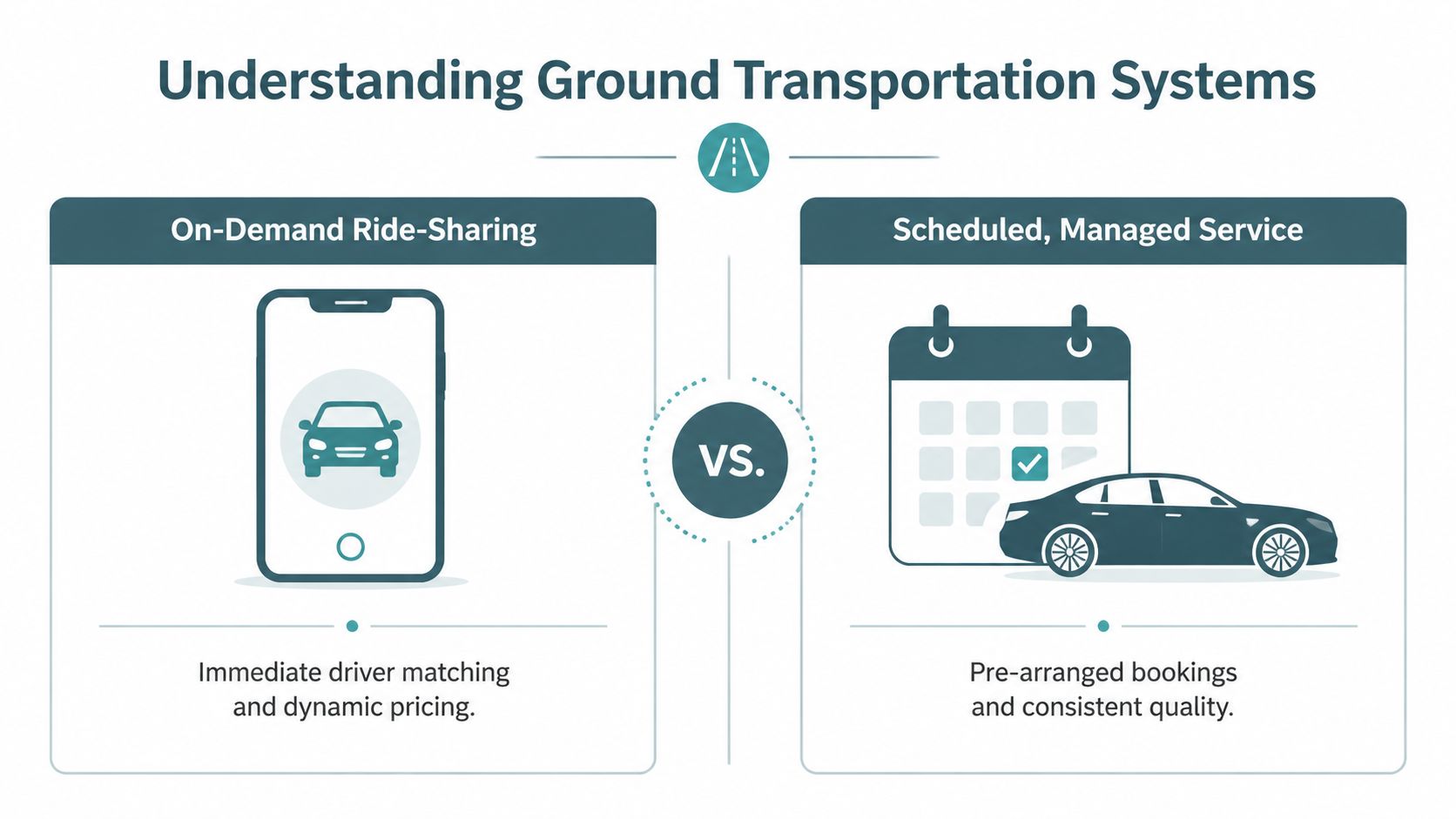
On-demand and managed are not the same thing
On-demand ride-sharing
❌ The driver may not be committed until the last minute
❌ Timing reacts to the airport instead of preparing for it
❌ Vehicle quality and service style can change from ride to ride
❌ If something shifts, the traveler often has to sort it out live
Scheduled managed service
✅ The ride is arranged in advance
✅ A real person is responsible for the result
✅ Pickup timing is tied to active trip monitoring
✅ Standards stay consistent from reservation to drop-off
The core difference is proactive management. Professional services use automated flight APIs to track arrivals in real time and can achieve over 99% on-time adjustments for delays, as noted in this review of proactive flight tracking and managed airport service.
A useful side-by-side explanation appears in this guide to chauffeur service vs rideshare.
The car matters less than the operating model behind it.
That’s why one system keeps producing airport stress, and the other tends to remove it before the passenger feels it.
A Guide to Orange County Airport Pickups LAX SNA and LGB
Airport pickups work best when each airport is treated as its own environment.
LAX needs a different plan than SNA. LGB needs a different tone than both. A professional pickup doesn’t use one generic script for every terminal. It adapts the process to the airport, the traveler, the luggage, and the timing.
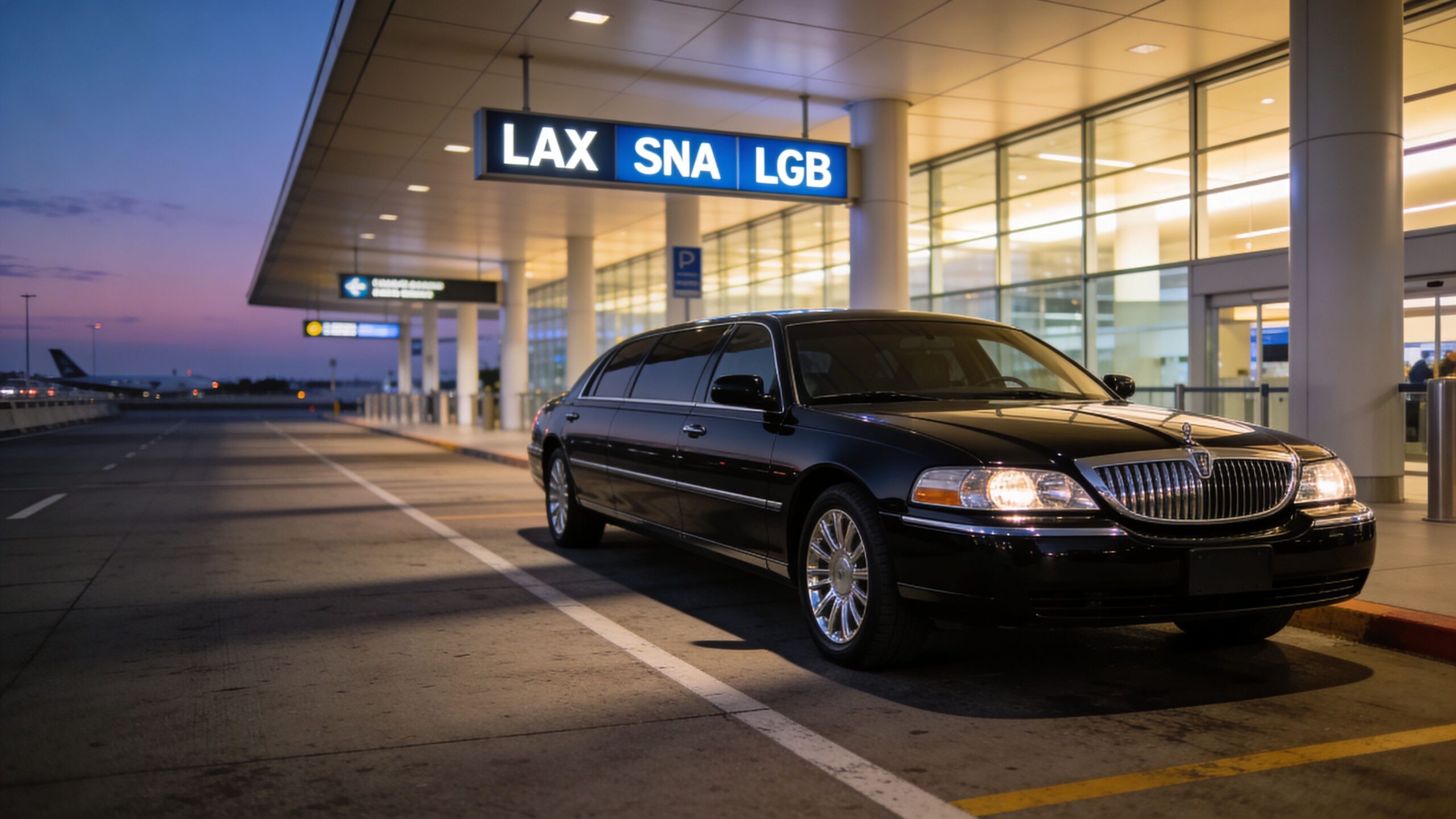
LAX needs a firm hand
LAX creates the most stress because the airport is busy, the road system is active, and pickup procedures can confuse even frequent travelers.
A proper LAX pickup starts long before the plane lands. The chauffeur is already assigned. The flight is being watched in real time. The passenger receives clear instructions that fit the terminal and arrival flow. If the pickup point needs to change based on airport conditions, the traveler gets one direct message with one clear action.
At LAX, what helps most is simple communication:
- One contact point: The traveler shouldn’t have to juggle calls from dispatch, driver, and app chat.
- Specific pickup instructions: Terminal, meeting point, and car details should be plain.
- Luggage support: The handoff should include help with bags, not a rushed curb exchange.
- Route awareness: The chauffeur should already know the likely path into Orange County.
When that system is tight, LAX stops feeling like a puzzle.
SNA rewards precision
John Wayne Airport is easier to get around than LAX, and that makes timing even more important. The curbside experience is faster, and passengers expect quick movement from terminal to vehicle.
John Wayne Airport handled over 11 million passengers in 2023, and industry insights suggest up to 70% of airport rides can fail due to timing issues. Professional black car services use flight tracking to achieve near-100% on-time performance, as described in this overview of Orange County airport car service at SNA.
That’s why the scheduled model works so well at SNA. It doesn’t waste the airport’s simplicity.
For travelers who want a closer look at that process, this page on John Wayne Airport SNA black car service and premium Orange County transfers shows how a structured pickup is typically handled.
You can also check current airport details through the official John Wayne Airport website.
At SNA, a five-minute mistake stands out quickly. Good planning keeps the pickup quiet.
LGB is simple when the reservation is solid
Long Beach Airport is often the calmest of the three. That doesn’t mean the pickup can be loose. In fact, smaller airports expose weak communication fast because there’s less noise to hide it.
A well-run LGB pickup usually feels almost invisible. The passenger exits, identifies the chauffeur or vehicle based on advance instructions, loads bags, and leaves. There’s no searching, no debate, and no live problem-solving on the curb.
That kind of handoff matters for:
- Executives heading to Orange County meetings
- Families starting a Disneyland visit
- Cruise terminal travelers who need clean timing
- Clients arriving for private events or hosted weekends
What changes when the flight changes
This is a common concern, even if it isn't voiced until something goes wrong.
If the flight is delayed, arrives early, changes gates, or shifts its arrival flow, the best outcome is that the traveler never has to manage that adjustment. The system should absorb it. That’s what flight tracking and pre-assigned chauffeur handling are for.
One example in the Orange County market is Luxe Elite Transportation, which operates as a scheduled service with assigned chauffeurs, flight tracking, and direct communication for airport transfers in the region. That approach fits the basic rule of airport reliability. Planning happens first, and movement follows.
For an executive assistant, that means fewer check-in texts, fewer curbside calls, and fewer moments where the principal feels exposed to confusion.
What to Expect Inside a Professional Black Car
The first thing most passengers notice is the quiet.
Not silence in the strict sense. More like the absence of friction. Doors close cleanly. The cabin doesn’t rattle. Road noise stays low enough that a traveler can think, answer email, take a call, or sit still after a long flight.
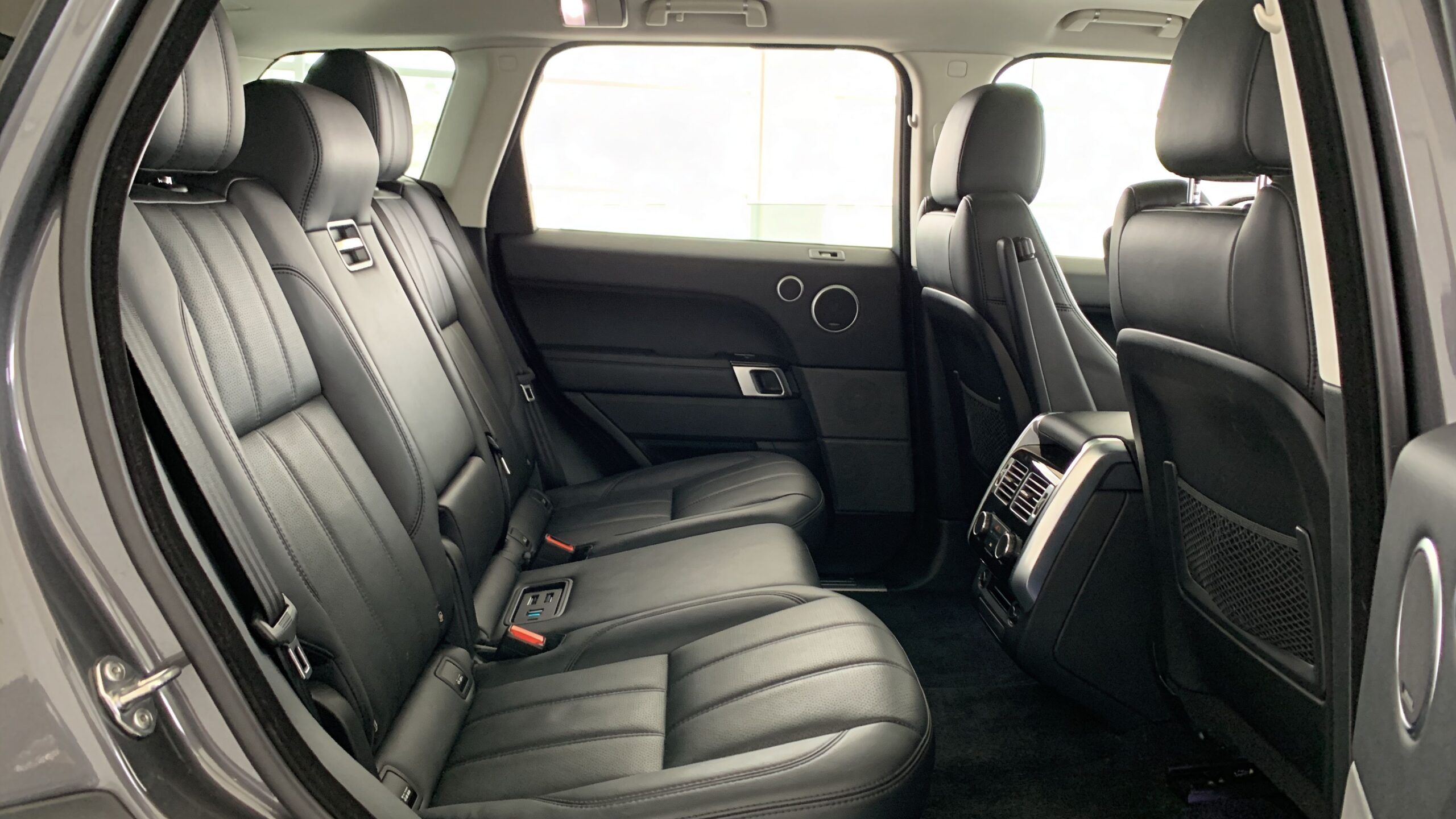
Quiet is a work tool
Luxury vehicles used in professional service, including models such as the Mercedes S-Class, are engineered for noise reduction levels of 55 to 60 dB at highway speeds, compared with 70+ dB in standard sedans, according to this review of Orange County black car fleet standards.
That difference matters in real use. In a quieter cabin, the traveler can hear a call clearly, dictate notes, or review a schedule without fighting the vehicle.
For executives, this is often the first usable space they’ve had all day.
The cabin should support the trip
A professional black car isn’t only about appearance. The setup should match what the passenger needs to do next.
Typical expectations include:
- Leather seating: Easy to settle into after airport walking and terminal waits
- Charging access: Phones and laptops need power without asking the chauffeur to improvise
- Wi-Fi availability: Useful for email, calendar changes, and short calls on the road
- Luggage space: Enough room for airport bags, presentation cases, or family travel items
- Clean interior condition: No leftover clutter, odors, or signs of the last trip
The best cabins feel prepared, not decorated.
A well-kept interior tells the traveler the operator pays attention to details they shouldn’t have to mention.
The chauffeur shapes the ride more than the vehicle does
Passengers remember how the ride felt. Much of that comes from the chauffeur.
A professional chauffeur doesn’t fill the air with chatter. They confirm the name, confirm the destination, assist with bags, and drive smoothly. They know when the traveler wants quiet. They know when a short traffic update is useful. They understand that privacy is part of the service.
That’s especially important in Orange County, where one day’s route may involve LAX, the next may involve Disneyland, a resort in Dana Point, or a transfer to a cruise terminal. The vehicle needs to be right, and the person handling it needs to be steady.
Choosing the right vehicle type
Not every reservation needs the same setup. The right fit usually comes down to party size, luggage, and how formal the trip feels.
| Travel need | Better fit |
|---|---|
| Single executive airport transfer | Luxury sedan |
| Small team with luggage | Executive SUV |
| Group movement for event day | Mercedes Sprinter |
That choice helps create what many travelers want most. A ride with no noise around the logistics, and no effort leaking back to the passenger.
Black Car Service for Corporate and VIP Travel
Single-passenger airport transfers are the easy part.
The harder work starts when a planner is moving several people, protecting privacy, and trying to keep the day on schedule across multiple stops in Orange County. That might mean airport arrivals, hotel departures, a corporate dinner, Disneyland for hosted guests, or a late transfer back from an event.
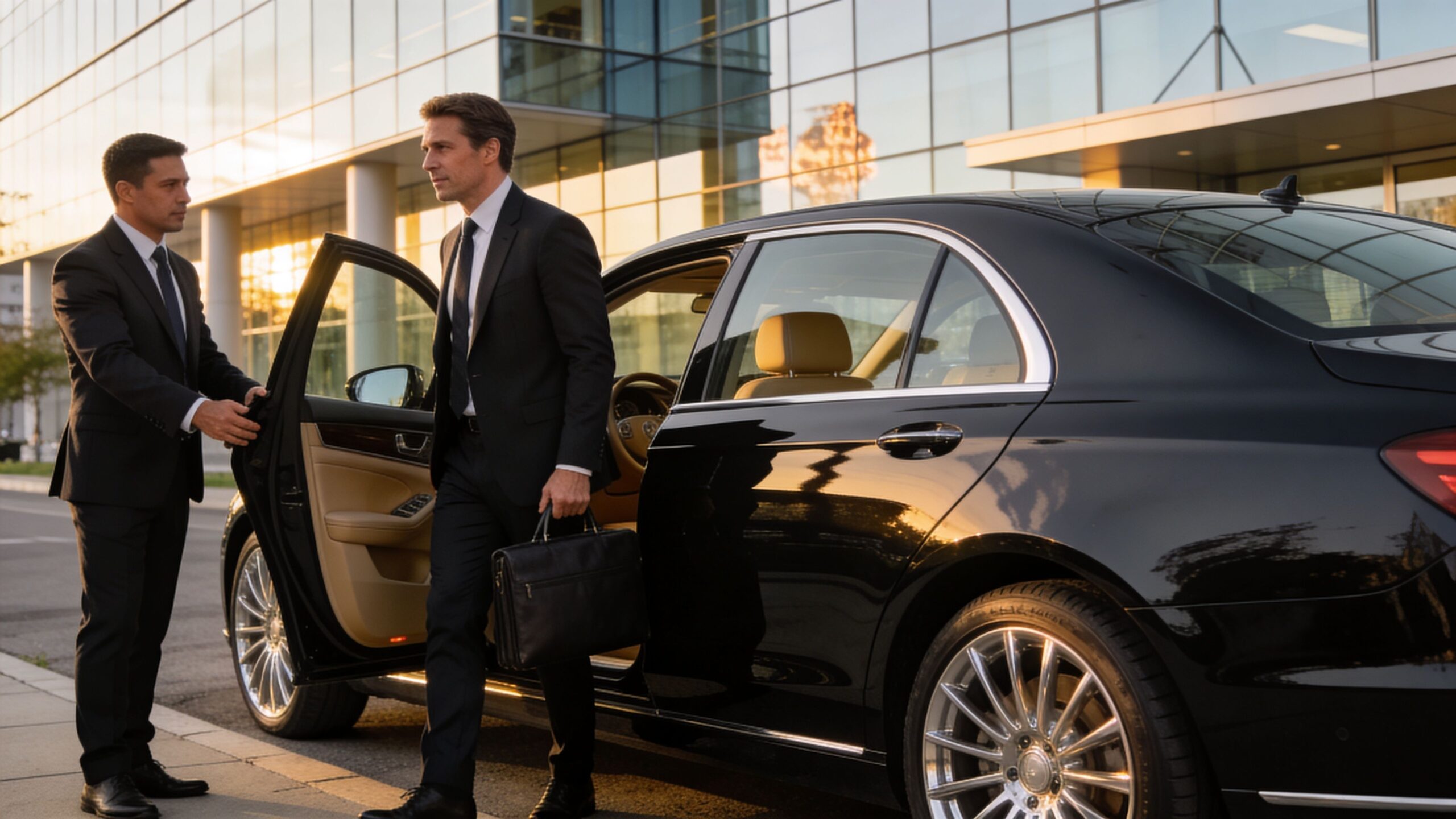
Group travel breaks down when nobody owns the plan
A lot of event transportation fails in the gaps between vehicles.
One car arrives. Another is late. A guest exits through a side door. Someone important is left waiting because the plan existed as a list, not as active coordination.
That risk matters more now because corporate event spending in SoCal has risen 22%, and 45% of planners cite transportation coordination as a top failure point, according to this report on VIP group transportation and event logistics.
For VIP groups, a managed service reduces those exposed moments with:
- Dedicated greeters: Helpful when guests need a direct handoff
- Multi-vehicle coordination: Useful when arrivals and departures happen in waves
- Shared itinerary handling: Keeps route changes from becoming a chain of calls
- Discreet movement: Limits confusion around high-profile passengers
Privacy needs structure
Executives and high-profile families usually don’t ask for drama-free transportation in those words. They ask for privacy, smooth timing, and no scenes.
That means the service should already understand a few basics:
- The chauffeur doesn’t discuss the passenger.
- The pickup doesn’t create visibility the client didn’t ask for.
- Vehicle placement should support a calm entry and exit.
- Changes should be handled discreetly.
For a planner, that removes a major layer of mental load. You’re not hoping the driver understands discretion. You’re using a service built around it.
Field note: VIP transportation often succeeds or fails in the handoff, not on the highway.
Orange County use cases that need real coordination
Some requests look simple until the day starts moving.
A few examples:
Conference transfers
Speakers, executives, and hosted guests may arrive at different airports and still need to hit one schedule.Entertainment nights
Concerts and sporting events create venue traffic, staggered exits, and curb pressure.Family and client hosting
Disneyland days, resort dinners, and coastal itineraries need flexibility without losing control.Cruise terminal service
Luggage, timing windows, and passenger age range all shape the vehicle plan.
When the transportation side is handled properly, the planner stops chasing cars and starts watching the day move as expected.
Understanding the Booking Process and Pricing
The booking process should lower stress, not add another layer to it.
Good black car reservations are simple. You choose the type of service, provide the travel details, select the vehicle, and receive confirmation. From there, the operator manages the moving parts behind the scenes.
What a clear reservation should include
Before the trip is confirmed, the basics should be easy to see:
- Pickup and drop-off details: Airport, hotel, office, home, Disneyland, or cruise terminal
- Flight information when needed: So the airport timing can be tracked properly
- Vehicle choice: Sedan, SUV, or Sprinter based on party size and luggage
- Contact method: The traveler should know how updates will be sent
- Service type: Point-to-point transfer or hourly booking
If any of those items feel vague, the ride probably is too.
Flat rate and hourly service each have a place
For many airport transfers, a flat rate gives the cleanest planning. The route is known. The destination is known. The cost is easier to approve in advance.
Hourly service is usually more useful when the day has moving parts. Multiple stops, waiting time, changing return plans, hosted guests, or event windows often fit that model better.
The key difference from app-based booking is certainty. The traveler and the assistant know what was reserved and how the service is supposed to work. That’s a budgeting benefit, and it’s also a control benefit.
A broader overview of rate structure appears in this guide on how much a chauffeur costs.
What works and what usually doesn’t
The process tends to work well when the reservation is treated as a plan, not as a request for whatever car is nearby.
A practical consideration:
| Approach | Likely result |
|---|---|
| Booking early with full trip details | More control and clearer handling |
| Waiting until landing to arrange pickup | More exposure to delay and confusion |
| Matching vehicle to luggage and party size | Smoother loading and less curbside stress |
| Assuming all airport pickups work the same | Missed details at LAX, SNA, or LGB |
One more point matters here. Price should be understood in context. With scheduled service, you’re not only paying for the drive itself. You’re paying for the planning, the assignment, the monitoring, and the accountability that keep the ride from collapsing at the worst time.
That’s why experienced assistants often prefer the reservation that looks calmer on paper. It usually stays calmer on the day.
Putting You Back in Control of Your Travel
The main choice is simple.
You can use a system that reacts after something slips, or a system that is built to prevent the slip in the first place. For VIP travel in Orange County, that difference shows up fast. It shows up at LAX curbs, at SNA arrivals, at LGB exits, on Disneyland pickup timing, and on cruise terminal mornings when nobody has room for confusion.
If you’ve had a ride fail before, that doesn’t mean you planned poorly. It usually means the system behind the ride wasn’t designed for accountability. On-demand tools are built for availability. Executive transportation needs ownership.
That’s why scheduled service keeps making sense for principals, clients, and families who need calm handling. The route is known. The pickup is managed. The person responsible is clear.
And once transportation becomes quiet again, the rest of the day usually does too.
If having this handled quietly matters, you can review Luxe Elite Transportation and decide whether a scheduled approach fits the way you plan travel.