Your calendar says “land at LAX 5:40 PM,” but every executive traveler knows that is only the beginning of the story. The real variable is what happens after the wheels touch down: the walk to baggage claim, the curbside congestion, the last-minute gate change, the client call you cannot miss, the meeting that starts whether you are there or not.
A strong guide to executive ground transportation is not about finding a car. It is about controlling time, privacy, and pace across the most unpredictable parts of a travel day.
What “executive” really means on the road
Executive transportation is a service discipline, not a vehicle category. Yes, the cabin should be quiet, climate-controlled, and finished in leather. But the real difference is how the ride supports your day.
At the executive level, transportation has to do three jobs at once. First, it must be precise – early arrivals, intelligent routing, and disciplined curbside timing. Second, it must be discreet – a chauffeur who understands privacy, minimal conversation unless invited, and a professional presence that never draws attention. Third, it must feel like a mobile office – reliable Wi‑Fi, charging ports, and a calm environment where you can think, call, and reset.
This is also where trade-offs show up. A premium service costs more because it is pre-planned and staffed for dependability. If price is the primary driver, rideshare will always win on the cheapest moment-to-moment option. If outcome is the driver – arriving composed, on time, and protected from friction – executive transportation is built for that result.
The decision framework: airport, meetings, or hourly
Most executive ground transportation falls into three booking patterns. Each one needs a slightly different approach.
Airport transfers: precision and flight awareness
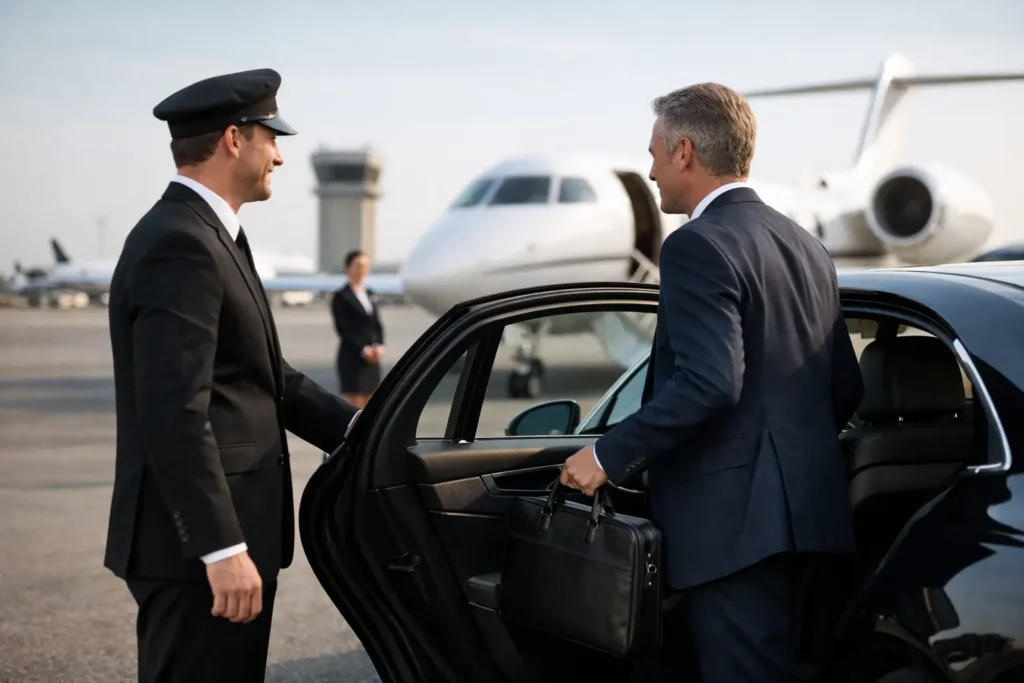
Airport service is where operational rigor matters most. Flights shift, terminals change, and traffic patterns around LAX can be unforgiving. An executive-grade provider should track your flight in real time and adjust pickup timing accordingly, so you are not negotiating delays while holding a suitcase and a phone.
For departures, the goal is not simply to “get there.” It is to arrive with margin. Margin is what protects you when TSA lines spike, when an assistant calls with an urgent change, or when your gate relocates. The ideal plan includes a buffer that respects both traffic reality and your tolerance for risk. A CEO running tight to the minute may accept higher stress to reclaim time. A CFO traveling for a board meeting may prefer earlier arrival to preserve calm.
Point-to-point meetings: punctuality with flexibility
Meeting days often require consecutive pickups, short stops, and timing that shifts without warning. The best setup is a service that can confirm details, handle changes cleanly, and keep you moving without making you manage the logistics.
If your day includes multiple sites – an office, a lunch meeting, a hotel, and an evening event – point-to-point can work, but it becomes fragile if the schedule is fluid. This is where hourly service earns its place.
Hourly bookings: your day, protected
Hourly chauffeured service is the executive answer to uncertainty. You are not trying to predict the exact minute you will exit a meeting. You are buying continuity: a vehicle available on standby, a chauffeur who knows the plan, and the ability to adjust without scrambling.
The trade-off is cost efficiency. Hourly is not the cheapest way to run errands. It is the most controlled way to run a critical day.
Choosing the right vehicle for the mission
Fleet choice is about presence, capacity, and comfort – but it should also match how you intend to use the time.
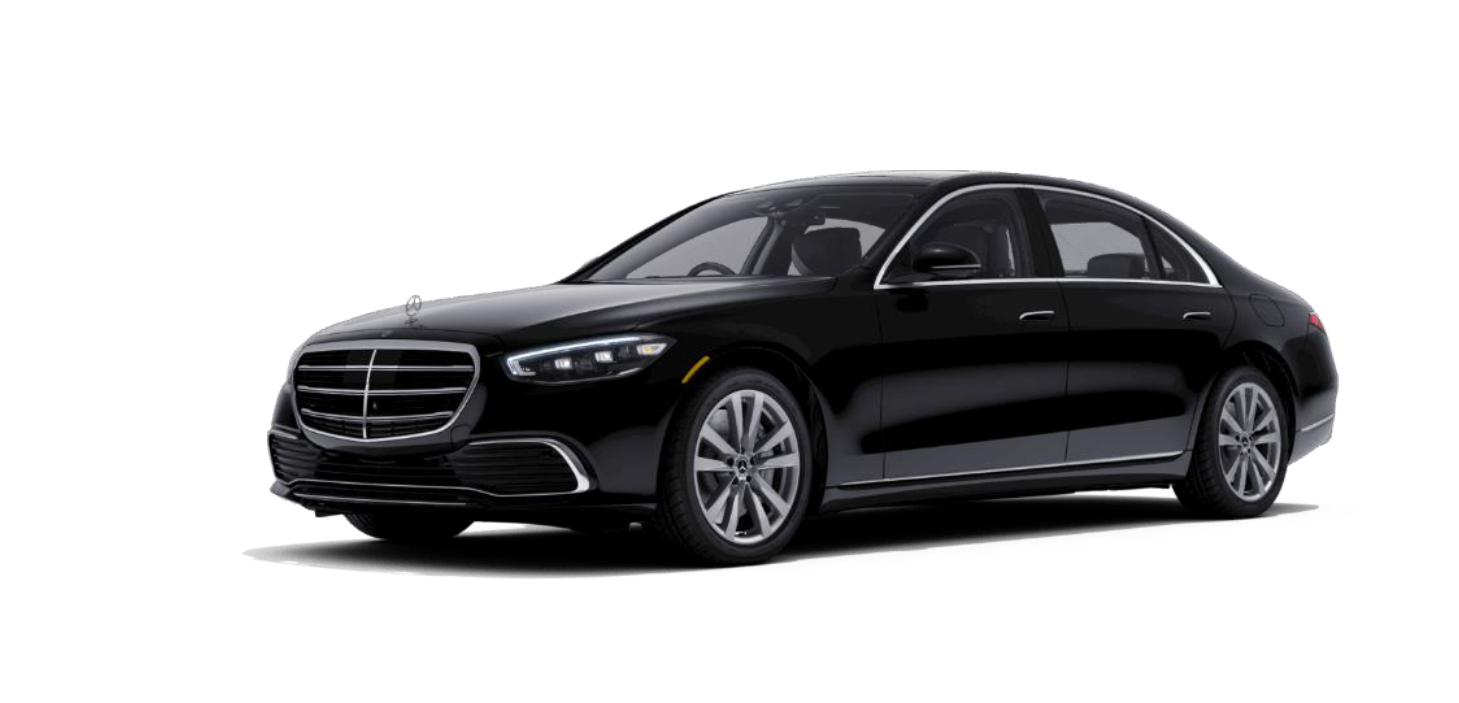
A luxury sedan is ideal for solo executives or two passengers who want a quiet, low-profile arrival. It is often the best “mobile office” choice because the cabin naturally stays calm and focused.
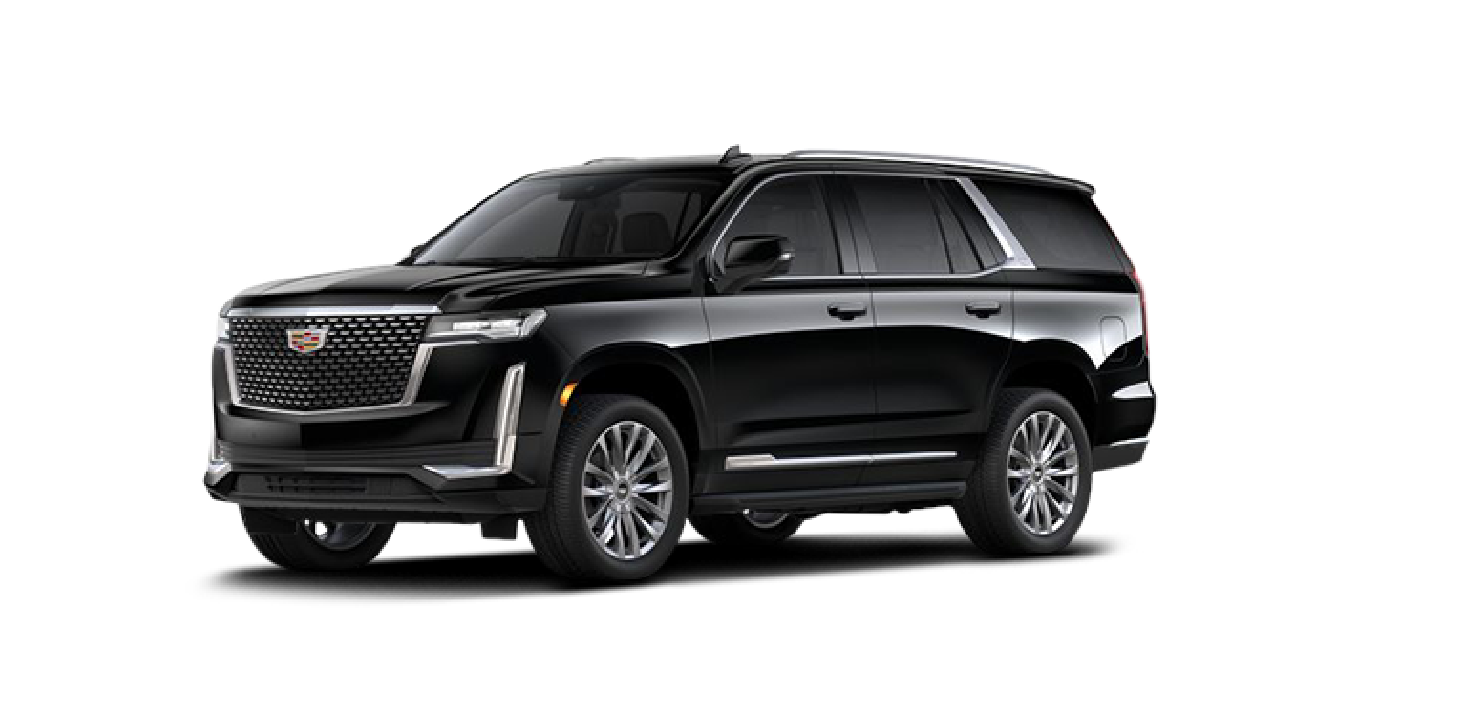
An executive SUV works well when you want more space, additional luggage capacity, or a slightly higher level of road presence for VIP arrivals. It is also a practical option for airport runs with multiple bags, or when you want a larger cabin for comfort without moving into group transport.
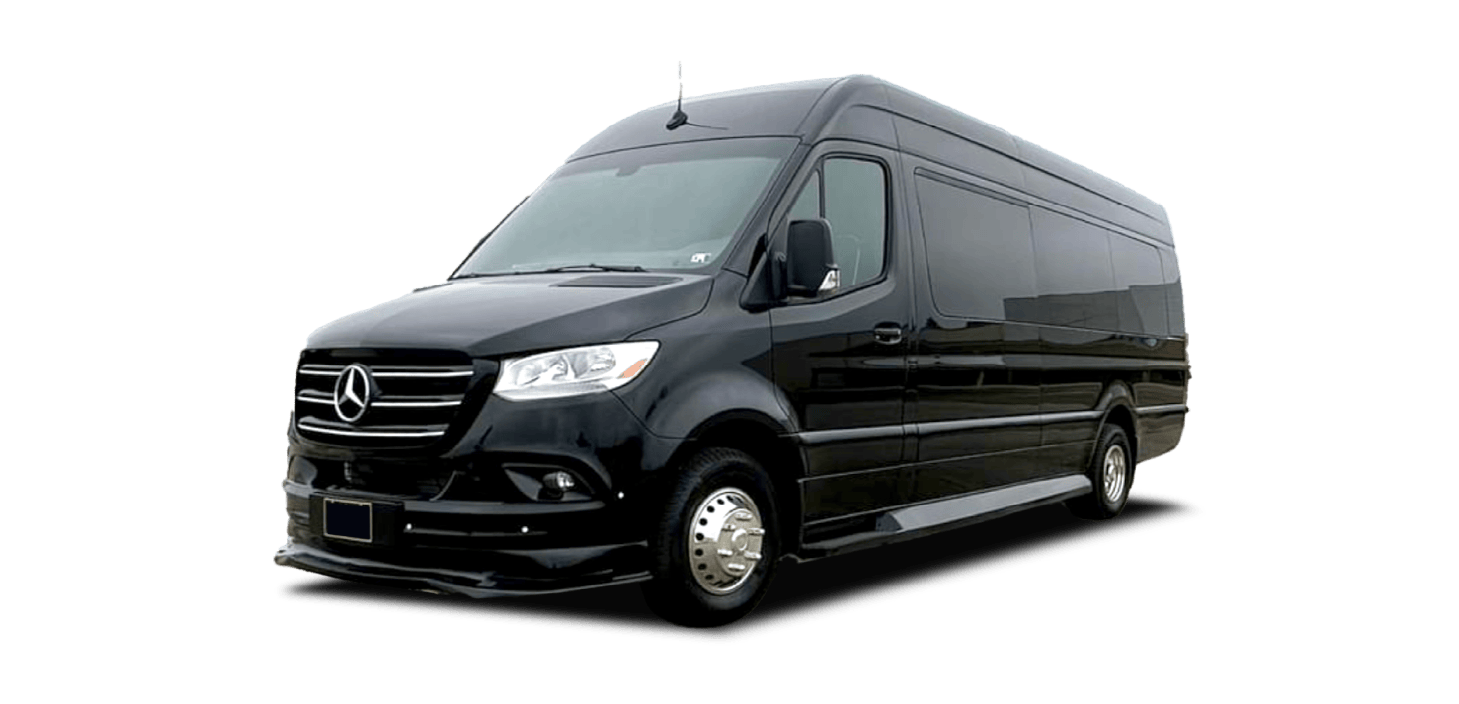
A Mercedes Sprinter-style vehicle is the right call when you are moving a team, hosting clients, or coordinating a special occasion where everyone should arrive together and on time. Sprinters reduce fragmentation – fewer vehicles, fewer curbside complications, and one coordinated timeline.
If you are deciding between sedan and SUV for airport travel, it often comes down to luggage and mood. If you want the most focused environment to take calls, a sedan is hard to beat. If you are carrying more gear, traveling with a colleague, or simply want more breathing room, choose the SUV.
What separates premium service from “a nice car”
Luxury is easy to claim. Execution is harder. When you evaluate a provider, look for proof points that indicate real operational discipline.
Real-time flight tracking is a baseline for serious airport work, especially around LAX, John Wayne (SNA), and Long Beach (LGB), where timing and curbside patterns shift quickly.
Clear confirmations matter more than people admit. You should know who is picking you up, what vehicle is arriving, and when. Ambiguity is where travel-day stress starts.
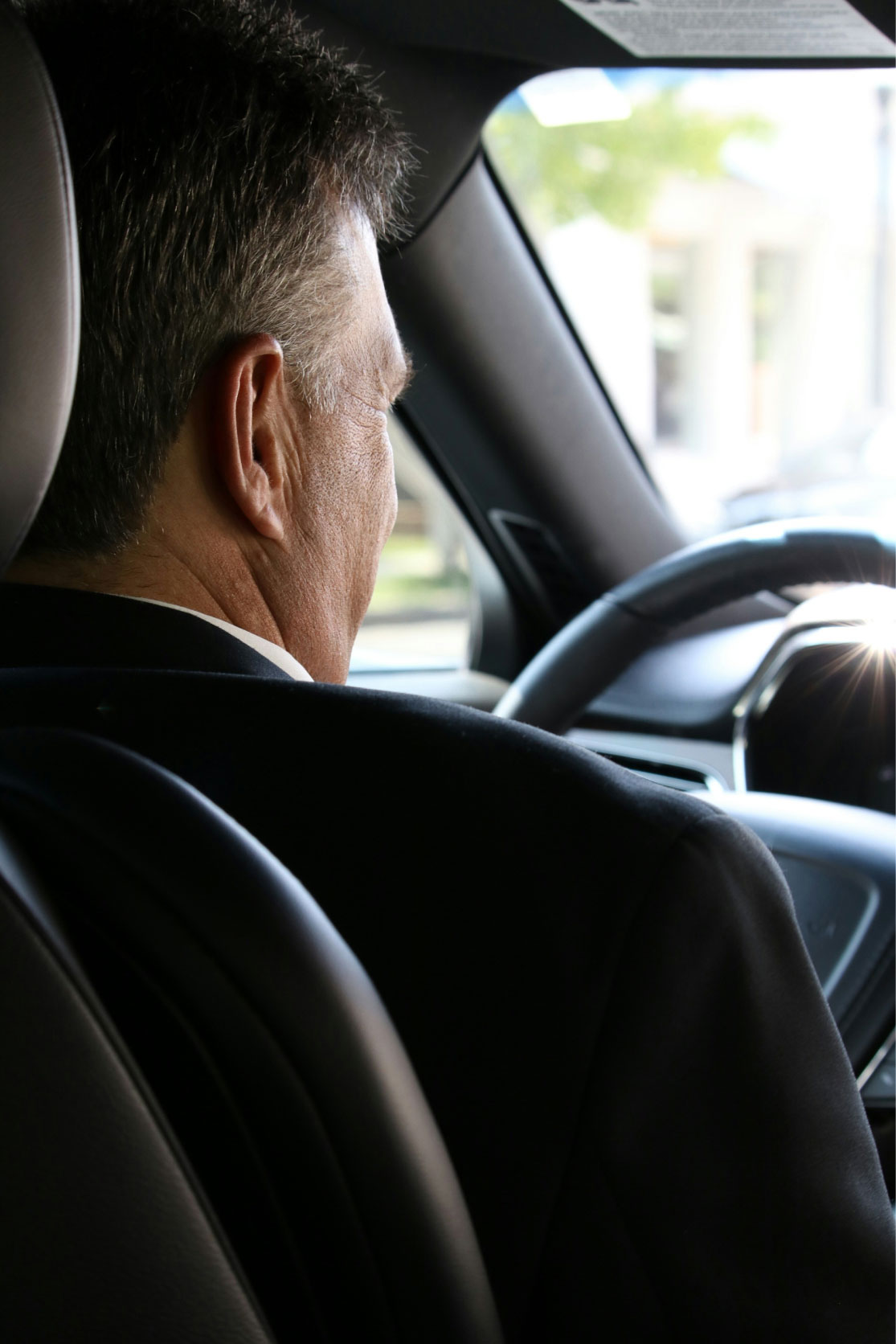
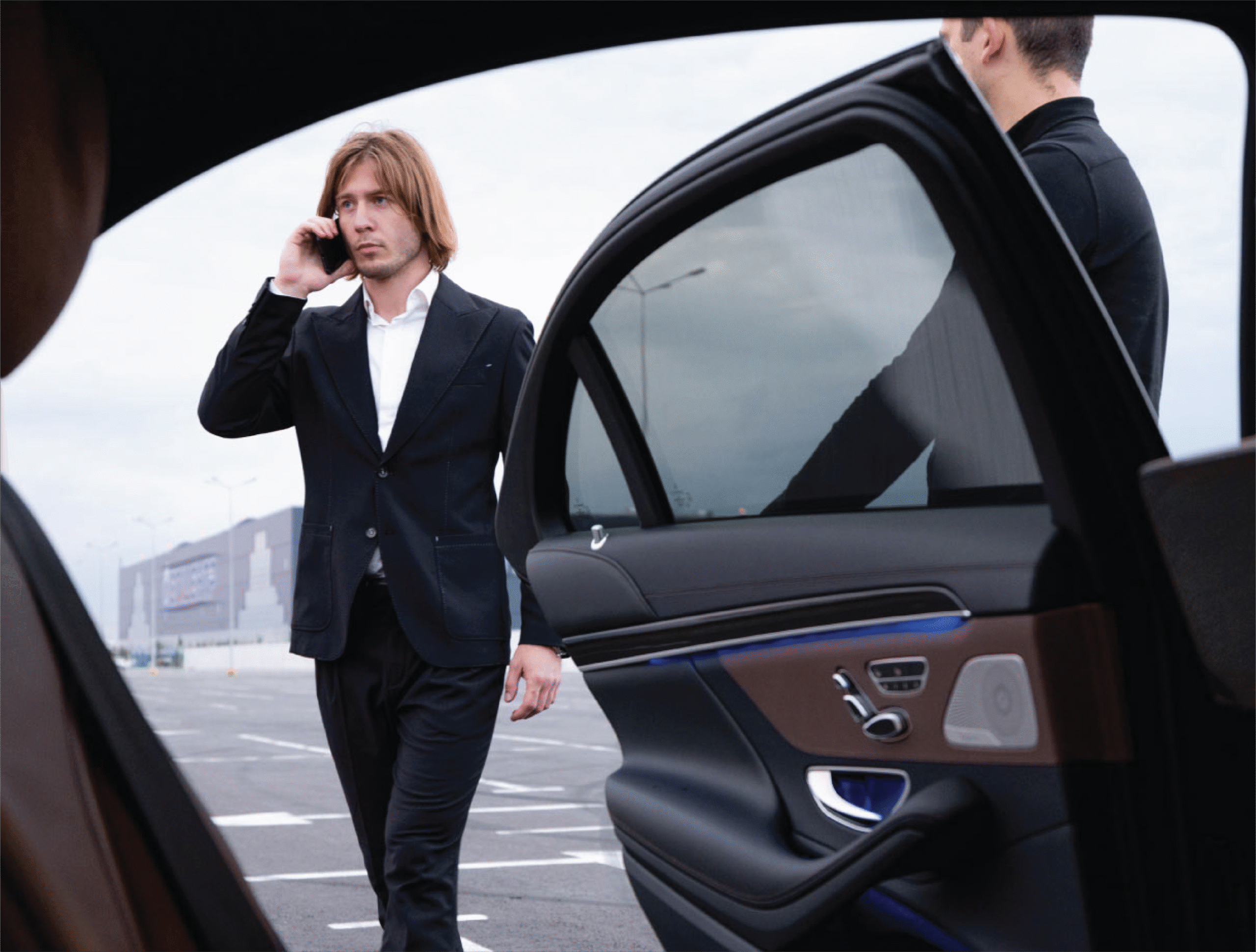
Professional chauffeurs are not simply drivers in suits. They are consistent, punctual, and attentive without hovering. They understand when silence is the service. They know how to handle arrivals without chaos and how to support VIP clients without drawing attention.
A refined cabin environment should support productivity. The basics are simple: stable Wi‑Fi when offered, charging access, comfortable seating, and a clean interior that feels controlled. The real win is that you can take a call without competing with noise and distraction.
Timing strategy in Southern California: what executives forget
In Southern California, “distance” is not the metric. Variability is. A 35-mile drive can be predictable at 11:00 AM and punishing at 5:15 PM.
For airport departures, your strategy should be based on two truths: traffic surges are routine, and curbside patterns at major airports are not designed for comfort. The value of executive ground transportation is that it reduces the number of decisions you need to make while those variables hit.
For arrivals, especially at LAX, a disciplined pickup plan matters. Terminals can be congested, and the wrong meeting point can turn a smooth landing into a 30-minute frustration. A provider that communicates clearly about where to meet and adapts to terminal realities is not a luxury – it is the difference between control and chaos.
Corporate coordinators: how to book like a pro
If you manage travel for leadership, your goal is repeatable outcomes. The best bookings are not just correct – they are resilient.
Start by capturing preferences once and keeping them consistent: quiet ride, minimal conversation, temperature range, preferred route style, and whether the passenger takes calls immediately after landing. Small details create a sense of being handled.
Then, build in redundancy where it matters. Share flight numbers, not just arrival times. Provide a direct contact for day-of changes. Confirm the pickup location in writing, especially for LAX. These are minor steps that prevent major disruptions.
Finally, think in terms of image and risk. For an executive traveling to a high-stakes meeting, the cost of being late is rarely measured in dollars. It shows up as lost leverage, missed openings, and avoidable stress.
Executive travel etiquette: what to expect and what to request
A premium chauffeur experience should feel intuitive, but it is still worth stating what matters to you.
If you need a quiet cabin, ask for it. If you need the temperature cool, mention it. If you need a short stop without rebooking, clarify it upfront. These are normal requests in executive service.
Discretion cuts both ways. A professional chauffeur will not ask probing questions or engage in casual gossip about other clients. In return, you can expect a polished, respectful interaction that prioritizes your privacy.
When executive ground transportation is worth the premium
It depends on what you are protecting.
If you are traveling for a vacation with flexible plans, a lower-cost option might be perfectly fine. If you are coordinating a wedding party or a group night out, premium transportation becomes more valuable because it keeps everyone together and eliminates parking, navigation, and late arrivals.
For executives, the premium is easiest to justify when the day is high consequence. Board meetings, investor sessions, keynote appearances, and client-facing events are not the moments to gamble on inconsistent pickup timing or a noisy, unpredictable ride.
If you want a provider built around executive airport transfers, meeting-day reliability, and a refined cabin environment across Southern California, Luxe Elite Transportation (https://www.luxeelitetransportation.com) is designed for clients who value precision timing, discretion, and a calm, productive ride.
The closing standard to hold
Executive ground transportation should leave you with one feeling: that the day is under control. The right service does not just move you from point A to point B – it protects your time, your privacy, and your ability to show up composed, no matter what the road decides to do.
One Response