You can feel the difference between a ride and a readout.
A ride is hoping your driver is nearby, hoping the pickup lane is accessible, hoping the route is clear, and then trying to squeeze a call into the back seat anyway. A readout is what executives expect: a plan that accounts for flight status, terminal constraints, security lines, luggage timing, and the simple fact that your calendar does not pause because you landed.
That is the promise of an executive airport transfer concierge service. It is not just transportation. It is a controlled, quiet, punctual corridor between your front door and your gate, built for leaders who measure the day in decisions, not minutes.
What “concierge” actually means at the airport
“Concierge” gets used loosely. In true executive travel, it has a specific meaning: someone is managing the details you do not want to manage, with the discipline to execute under pressure.
At the airport, that starts before wheels touch down. Flight tracking matters because arrival time is rarely the time you arrive curbside. Gate changes, early arrivals, holding patterns, and baggage delays all impact the handoff. A concierge approach adjusts to the real timeline, then communicates clearly so you are never guessing who is where.
It also means your pickup is designed around the airport’s reality. LAX is not John Wayne. Terminal layouts, traffic patterns, pickup rules, and congestion windows can turn “I’m outside” into a 25-minute problem. An executive concierge service anticipates those constraints and plans the pickup accordingly, so the transition feels composed instead of chaotic.
The executive standard: precision, privacy, and a mobile work environment
Executive travelers are not buying luxury as a visual. They are buying a controlled environment where they can stay sharp.
Precision is the baseline. Your schedule is not flexible, and neither is your tolerance for improvisation. On-time performance is less about leaving at the exact minute and more about building margin intelligently: knowing when to stage, when to reroute, and when to communicate a change before it becomes your problem.
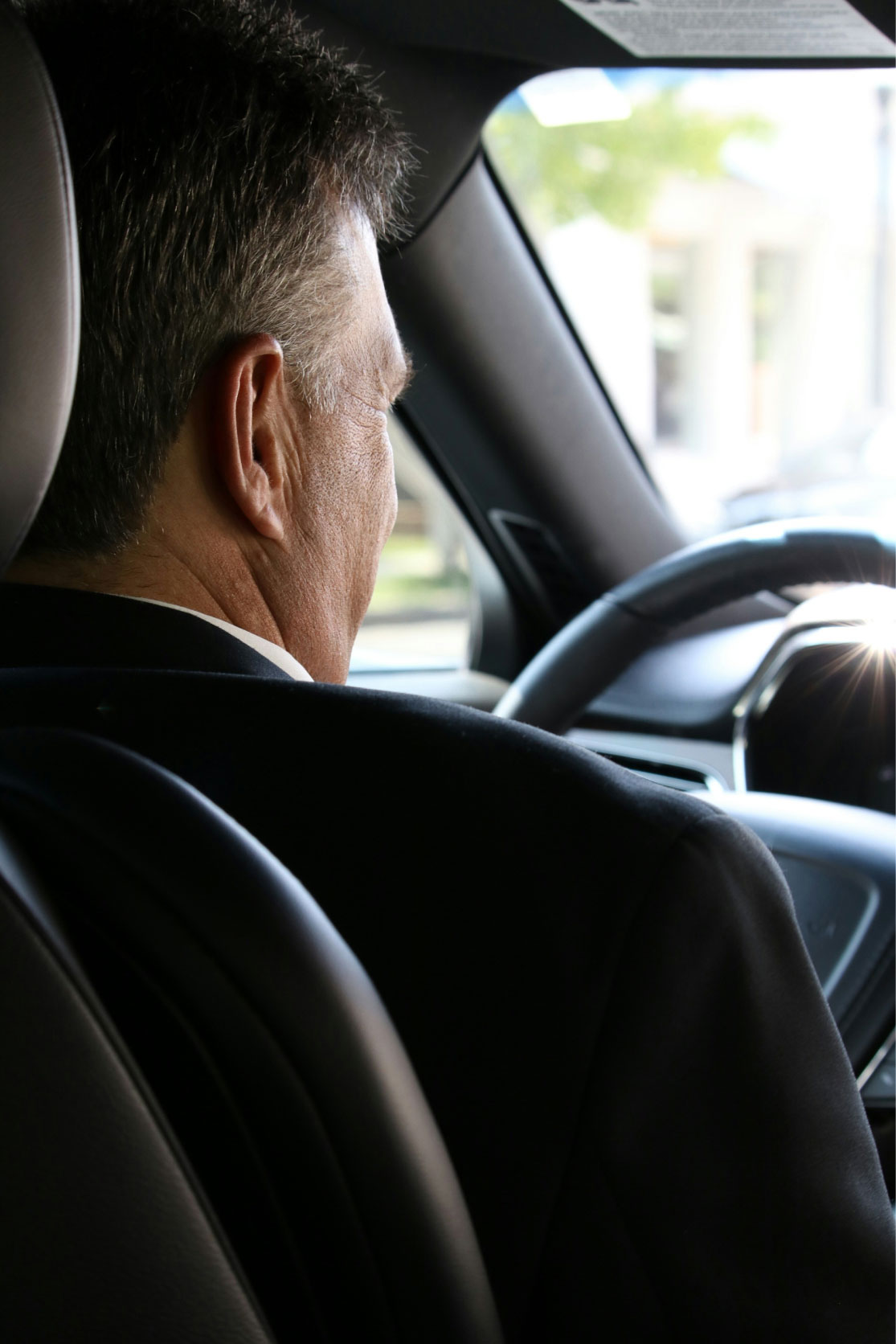
Privacy is the next layer. Many leaders do not simply “prefer discretion.” They require it. That affects how a chauffeur carries themselves, how the vehicle is positioned, what is said and not said, and how pickups are handled when colleagues, clients, or media may be present.
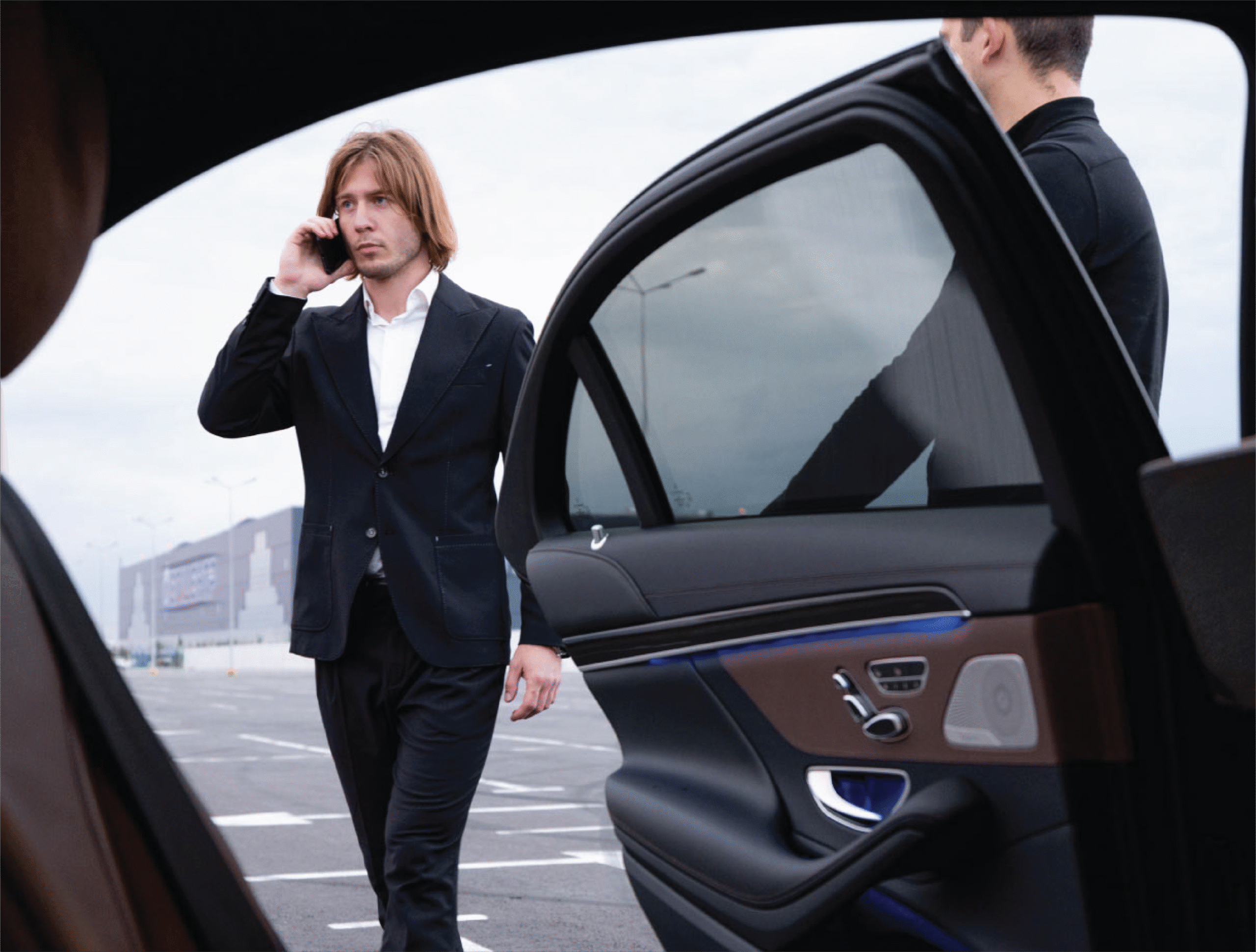
Then there is the cabin itself. A true executive-grade vehicle is a work zone. Wi-Fi, charging ports, and a quiet leather interior are not perks; they are the infrastructure that lets you step from air travel into productivity without needing a reset. If you have a board call in 12 minutes, you cannot spend eight of them negotiating noise, awkward routing, and stop-and-go stress.
Where the service earns its keep: the hard moments
Anyone can provide a smooth ride on a calm Tuesday. The value shows up when conditions are messy.
Late-night arrivals are a classic example. You are tired, baggage takes longer, and curbside operations are thinner. A concierge-grade approach keeps the handoff crisp with real-time awareness and a plan that does not fall apart because the airport is running at half staff.
Weather and traffic disruptions are another. Southern California has its own version of volatility: incidents that lock down lanes, sudden congestion near terminals, and the cumulative effect of events, holidays, and construction. A professional operation routes proactively and communicates in a way that reduces your cognitive load.
Lastly, there is the human factor: you are traveling with sensitive conversations, tight timing, or high expectations from a client you are hosting. A disciplined chauffeur understands pacing, silence, and presence. They do not need coaching on how to support a premium moment.
Choosing the right vehicle: sedan vs. SUV vs. Sprinter
Vehicle selection is not about status. It is about matching the mission.
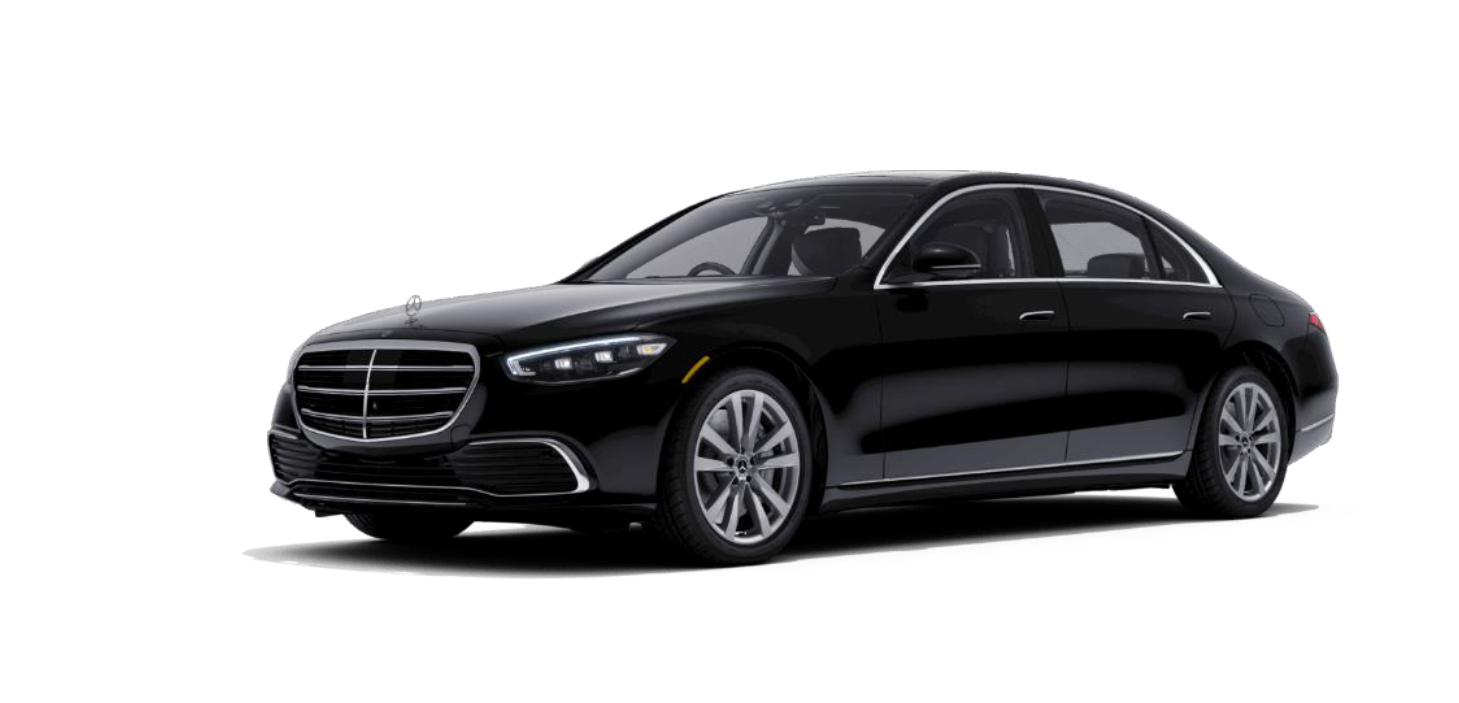
A luxury sedan is ideal when you want a quiet, understated environment for one traveler or a pair of executives. It reads polished and efficient, and it tends to move through traffic and curbside spaces with ease.
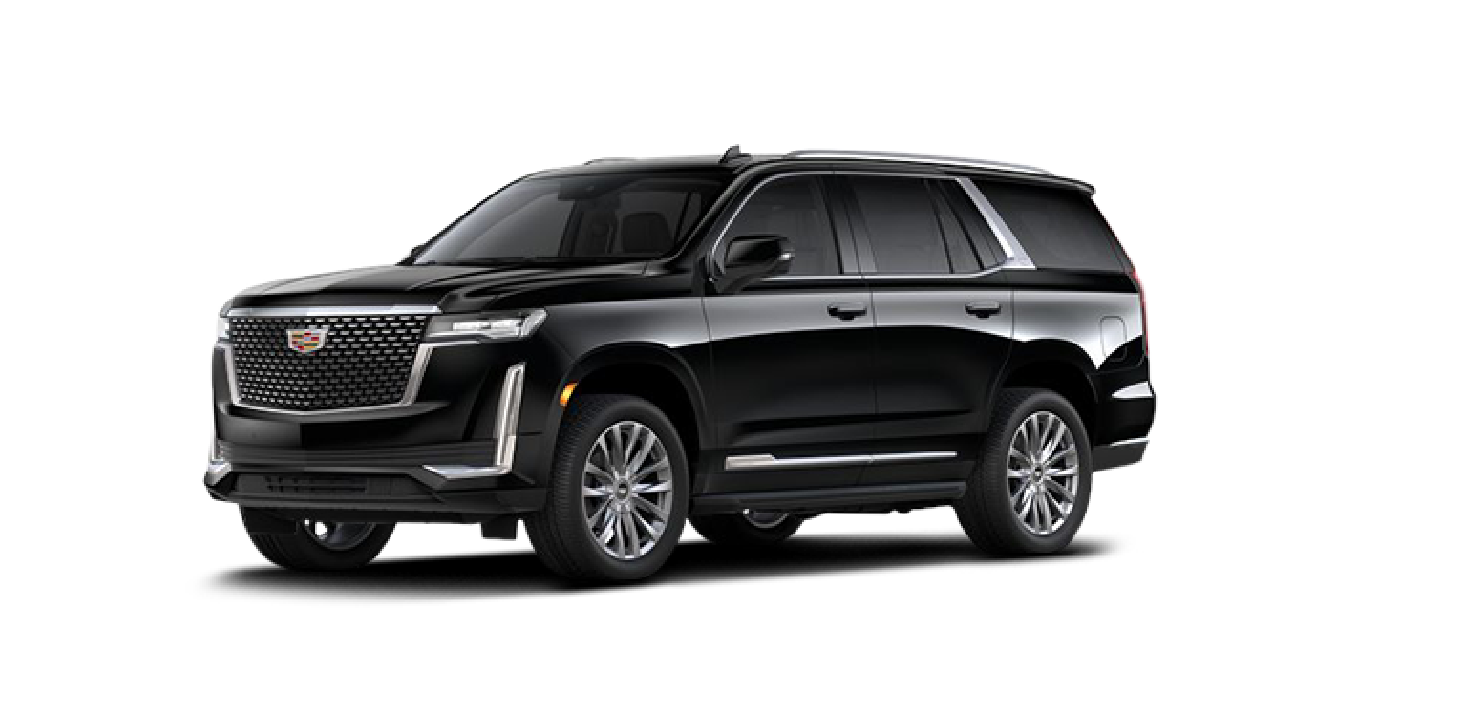
An executive SUV fits when you need more luggage capacity, greater comfort for longer distances, or a more commanding cabin feel. It is also the practical choice for airport runs that include multiple stops or larger baggage needs.
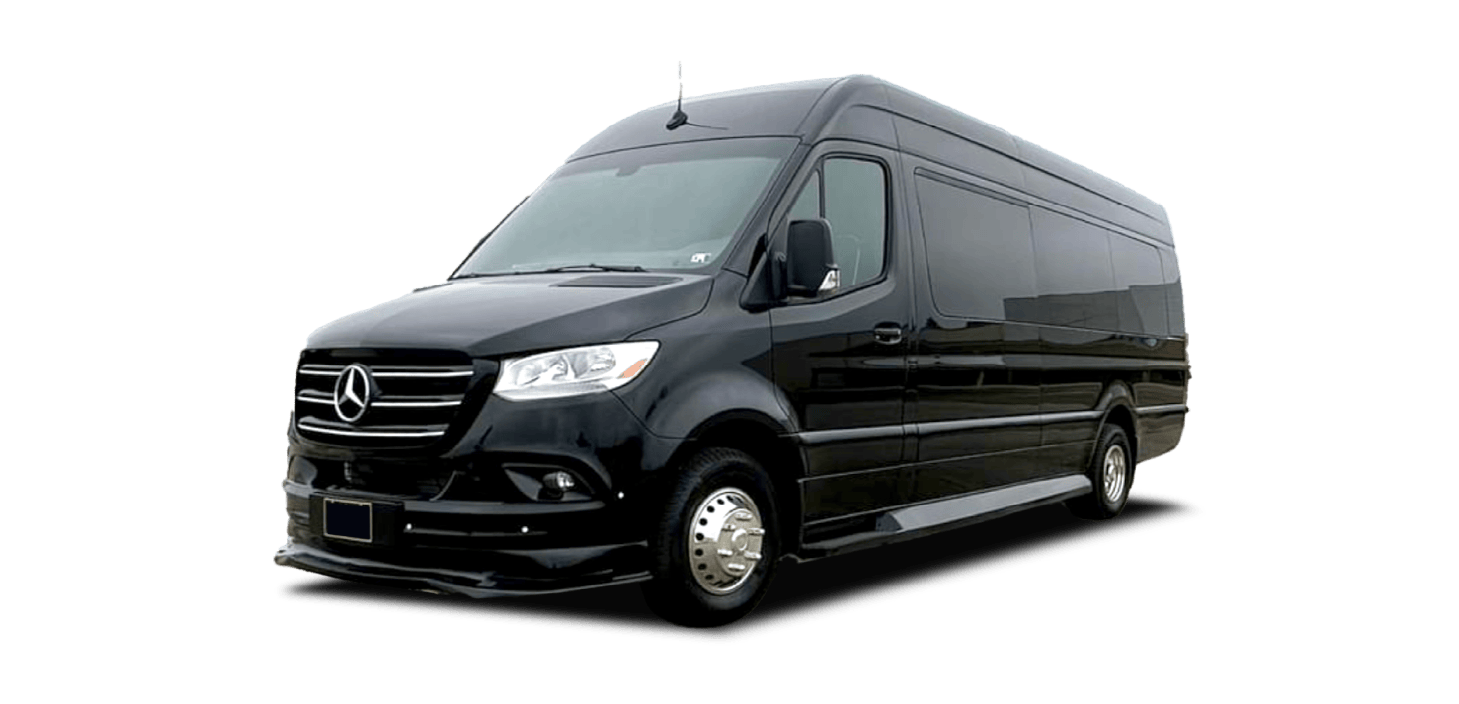
A Mercedes Sprinter becomes the executive solution for groups that still require a refined atmosphere. It is not just for celebration trips. It is for corporate teams, VIP guests arriving together, or family travel where you want everyone in one coordinated vehicle, not split across multiple cars with multiple variables.
The trade-offs: what you pay for, and when it depends
Premium airport transportation is not the right choice for every trip. It depends on what you are protecting.
If your schedule is loose and your priority is low cost, app-based rides may be acceptable. The trade-off is variability: driver quality, vehicle condition, terminal access knowledge, and how delays are handled.
If you are protecting a meeting, a relationship, or a reputation, the economics shift. Missing a connection, arriving flustered, or putting a client into an uncertain pickup experience can cost more than the difference in fare. Executives do not pay for leather. They pay for certainty.
There is also a balance between “white-glove” and “overbearing.” Some travelers want a quiet, minimal interaction experience, while others prefer proactive updates. A strong concierge service adjusts to your preference, rather than forcing a script.
What corporate coordinators should look for
If you manage travel for a CEO or leadership team, your job is to reduce risk. The best executive airport transfer concierge service providers behave like an extension of your office.
Look for an operation that confirms details cleanly, tracks flights in real time, and communicates changes with clarity. Ask how they handle early arrivals, delayed baggage, and terminal-specific pickup constraints. Pay attention to whether the answers sound procedural or improvised.
Also consider consistency of chauffeurs and vehicles. Corporate travel is not a one-off experience. It is repeat logistics. The advantage of a curated fleet and a professional chauffeur standard is that each transfer feels predictable, which is exactly what leadership wants on a travel day.
What a “handled” airport day feels like
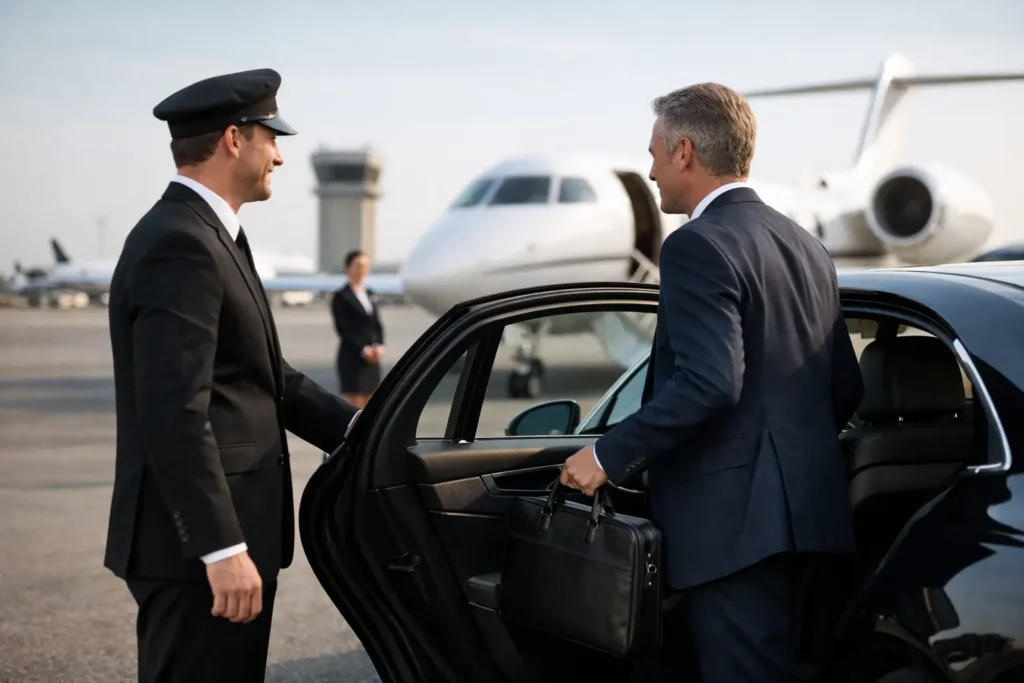
On departure, it starts with a punctual pickup that respects your buffer, not just the GPS estimate. The chauffeur’s arrival is calm and professional, the vehicle is prepared, and the drive is paced for focus. You can answer messages, take a call, or simply sit in quiet without managing anything.
On arrival, it is the same discipline in reverse. Your vehicle is staged based on the actual flight, not the scheduled one. You are not scanning the curb in a crowd, negotiating pickup chaos, or wondering whether the driver knows the terminal flow. You step out of the airport and into a controlled space where your next move is already anticipated.
That is the point. The airport is stressful because it forces you to make dozens of small decisions while you are tired, time-sensitive, and often responsible for other people. Concierge transportation reduces the number of decisions you have to make.
A note for Southern California travelers
Southern California airport logistics are their own category. LAX requires operational fluency. John Wayne is efficient but still time-sensitive. Long Beach can be easy until it is not. And transfers between Orange County and Los Angeles can swing dramatically depending on time of day and event traffic.
An executive concierge service earns trust by handling those variables with maturity: building margin, communicating clearly, and keeping the experience composed even when the region is not.
For travelers who want that level of discipline and a refined cabin built for productivity, Luxe Elite Transportation provides executive-grade airport transfers across Southern California with flight tracking, professional chauffeurs, and a premium fleet designed for privacy and performance.
The best part of a well-run executive transfer is that you do not notice the work behind it. You just arrive with your time intact, your mind clear, and the day still under your control.